
Alaska Construction Estimating Services for IBC & AHFC Code-Compliant Takeoffs
According to the National Climate Assessment, Alaska has warmed at twice the rate of the US average for over 60 years, significantly altering regional frost depths and intensifying seasonal freeze-thaw cycles. Design and Bids construction estimating services price these IBC risks into every bid.
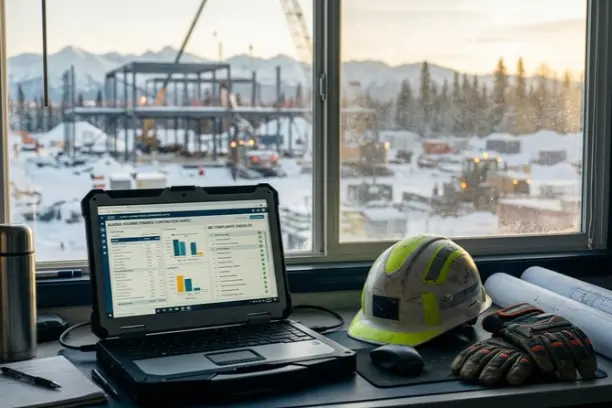
Alaska Construction Estimating Services Built Around Every Trade
Licensed construction estimators price footings, slabs, and pile foundations by soil report. Quantities follow CSI Division 03 standards, matching frost depth rules and non-frost-susceptible fill needed below grade.
Framing takeoffs cover wall cavities, headers, and roof trusses sized for snow load. Accurate construction estimates and quantity takeoffs Alaska builders need must match 2021 IBC load and insulation depth rules.
Roofing & Insulation
Roofing scopes price membrane, snow-load framing, and vapor barrier layers by roof pitch. The Alaska construction estimating industry applies ASHRAE 90.1 targets, often R-40 to R-60, on every takeoff.
MEP scopes get priced fixture by fixture in Accubid and Trimble software. Tracking construction cost estimation in Alaska means matching seismic gas shut-off valves and flexible bracing to code.
Sitework pricing follows soil conditions block by block. construction budget estimating services Alaska teams price excavation depth, NFS structural fill, and stormwater silt fencing per site.
Steel scopes price hold-downs, tie-downs, and bond beams for Seismic Design Category D through F. A trusted construction estimating company in Alaska matches every connection to current amendments.
What's Inside Every Full-Scope Estimate Package
Alaska construction estimating services cover more than a spreadsheet. Full-scope packages walk a project from concept plans through final bid, pricing every trade and cost.
Material Takeoff Detail
Every material takeoff details lumber, steel, and insulation by MasterFormat division directly from drawings to ensure precise vendor pricing.
Labor & Productivity Breakdown
Labor estimates incorporate regional cold-weather efficiency factors, mapping crew hours to seasonal productivity loss curves for accurate winter planning.
Equipment & Freight Scope
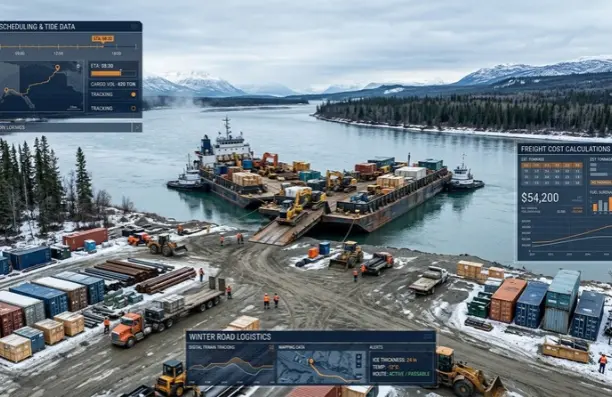
Our cost estimators detail mobilization, machinery run-time, barge slots, and staging logistics, linking every item to verified carrier quotes.
Digital Plan Markups
Color-coded digital plan markups visually clarify scope by CSI division, eliminating gaps, overlaps, and missed material counts during bidding.
Final Cost Summary
Our construction estimating services deliver a unified summary aggregating direct material, field labor, regional freight, and subcontractor totals clearly.One missed permit line can sink a bid before ground breaks. Stop guessing on freight, frost, and code costs. Request a full-scope estimate today.
How the Estimating Process Works, Start to Finish
Plan Submission & Scope Review
Send your architectural plans and site photos through a secure link. Our experts check the scope to build accurate cost estimates for your Alaska project.
Digital Takeoff & Code Check
We measure quantities using Planswift and Bluebeam software. Every item is checked against CSI codes, and local permafrost or seismic risks are flagged early.
Zip Code-Based Pricing
We price your project using exact local labor rates and borough zip codes. This ensures your estimate matches the real costs in your specific region.
Package Delivery
You receive a complete multi-trade estimate within 24 to 48 hours. Each package includes clear inclusion sheets so you can submit your bid with confidence.
- Stop Bidding Blind on Alaska Projects
Sectors We Serve Across the State
Alaska’s construction market spans residential builds, commercial fit-outs, industrial plants, and remote infrastructure, each carrying its own code set, freight route, and soil risk profile.
Residential Builds
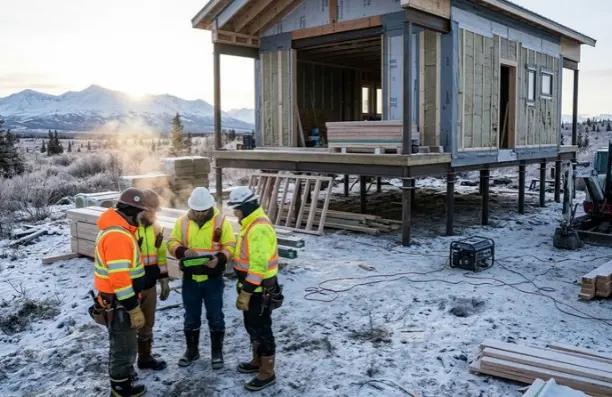
Residential projects need AHFC-compliant thermal envelopes and frost-protected footings priced correctly before financing gets approved by any lender.
- Single-family and duplex frost-footing estimates
- Vapor barrier and air-leakage material takeoffs
- AHFC Minimum Construction Standards thermal pricing
- Remote cabin and off-grid septic cost lines
- Multi-family permafrost mitigation foundation pricing
- Renovation and addition permit fee estimates
Commercial Fit-Outs
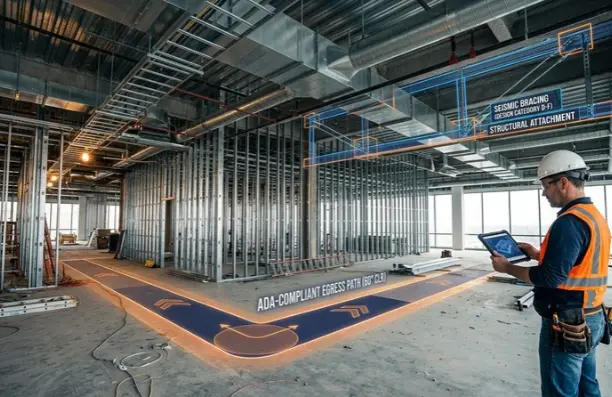
Commercial fit-outs carry stricter fire and egress code review, plus seismic bracing costs tied to occupancy type and building height.
- Retail and office tenant improvement takeoffs
- Seismic Design Category D through F bracing costs
- Fire and life safety code compliance pricing
- MEP system estimates for mixed-use buildings
- ADA and egress path material quantities
- Municipal permit valuation tier calculations
Industrial & Manufacturing
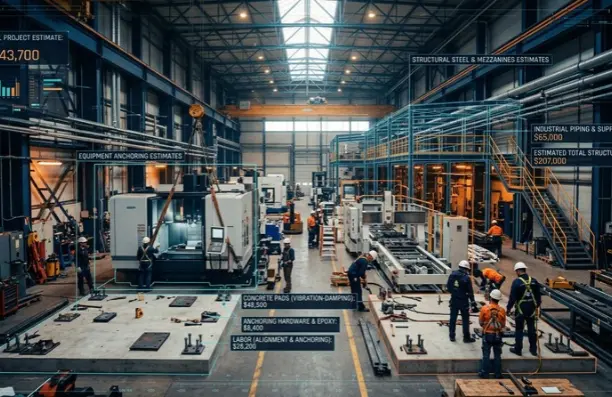
Industrial and manufacturing builds need heavy foundation systems and specialized equipment pads rated for extreme seasonal temperature swings.
- Thermopile and pile foundation cost estimates
- Heavy equipment pad and slab takeoffs
- Structural steel tie-down and bracing pricing
- Industrial HVAC and process piping estimates
- Site grading and NFS structural fill costs
- Stormwater SWPPP compliance line items
Remote & Bush Infrastructure
Remote and bush infrastructure projects depend on barge windows, ice roads, and staging yard costs that most Lower 48 estimators overlook entirely.
- Barge and winter road freight cost pricing
- Remote staging yard and demurrage charge takeoffs
- ADEC water and wastewater permit estimates
- North Slope and Dalton Highway logistics costs
- Off-grid power and generator cost lines
- Cistern and hauled-water system pricing
CSI Trade Coverage for Alaska Bid Packages
Every bid for construction projects in Alaska gets organized by CSI MasterFormat division, matching how Anchorage, Fairbanks, and Juneau contractors already structure their bid sheets and change orders.
01
General Requirements
02
Existing Conditions
03
Concrete
04
Masonry
05
Metals
06
Wood, Plastics, and Composites
07
Thermal and Moisture Protection
08
Openings
09
Finishes
21-23
Fire Suppression, Plumbing, HVAC
26
Electrical
31-33
Earthwork, Utilities, and Site Work
Why Contractors Choose This Estimating Team
Generic databases miss frost depth, freight windows, and seismic code updates. Local, code-verified pricing closes that gap on every single estimate.
Code Amendments Tracked by Borough
Estimators track Alaska State Amendments to the IBC by borough, catching code changes national templates still miss.
Real Freight Windows, Not Averages
Freight pricing pulls live barge and Dalton Highway hauling windows, not stale national freight averages.
Second Technical Review on Every Job
Every takeoff runs through a second review checking seismic bracing, permafrost footings, and permit fees.
Benefits of Outsourcing Your Estimating Work
Alaska construction estimating services save contractors from hiring and training costs. Outsourced teams already know local codes, permit offices, and freight timelines, cutting turnaround from weeks to a single day.
No In-House Overhead
Construction takeoff services for Alaska contractors remove the need for an in-house estimating department, cutting payroll and software license costs while keeping bid accuracy high.
Permit Fees Pre-Calculated
Permit-ready packages already reflect AHJ valuation tiers for Anchorage, Fairbanks, and the Mat-Su Borough, saving hours normally spent researching local fee schedules by hand.
Code Gaps Caught Early
Code review catches missing seismic tie-downs or thermal envelope gaps early, avoiding costly plan review rejections from municipal building departments down the road.
Zip Code Accurate Pricing
Zip code-based pricing adjusts labor and material rates by borough, so a Juneau bid never uses stale Anchorage cost data by mistake.
Freight Risk Covered
Freight and barge scheduling gets built into every estimate, protecting margins on remote projects where one missed shipping window ruins a whole budget.
Software-Ready Output
Standardized CSI MasterFormat output plugs directly into Procore or Bluebeam, saving project managers from reformatting takeoffs before every bid day arrives.
Software That Backs Our Numbers






Codes and Local Regulations That Shape Every Estimate
Pricing a project here means reading past the base building code. Alaska layers state amendments over the 2021 IBC and IRC, then adds AHFC thermal standards for financed homes. Design and Bids estimators track fire and life safety rules separately from residential code, since Anchorage, Fairbanks, and Juneau each apply their own amendments. Missing one clause means a rejected permit, so every takeoff gets checked against current local code language before pricing locks.
Thermal Envelope & Insulation Rules
Thermal performance drives most residential line items. AHFC Minimum Construction Standards call for R-40 to R-60 roof insulation and R-30 to R-40 wall assemblies in colder regions, above standard lower-48 requirements. Continuous 6-mil polyethylene vapor barriers and triple-pane low-E argon windows follow ASHRAE 90.1 targets. Estimators price framing packages around thicker wall cavities, since standard 2×6 framing often can’t hold required insulation depth without added rigid foam.
Foundation Systems & Frost Depth
Foundation choice depends entirely on soil behavior below the frost line. Permafrost zones near Fairbanks and Barrow rule out standard spread footings, since thermal thaw settlement cracks slabs within a few seasons. Thermopiles, ventilated crawlspaces, and driven steel pile systems replace conventional foundations in these areas. Frost depth near Anchorage runs about 42 inches, while interior regions exceed 60 inches, so excavation volume and structural fill quantities shift by location.
Permit Fees & Environmental Review
Permit costs rarely show up as one flat fee. Authorities Having Jurisdiction, from the Municipality of Anchorage Development Services Department to the Mat-Su Borough Permit Center, calculate fees from project valuation tiers. Remote or off-grid builds add Alaska Department of Environmental Conservation review for septic systems and hauled-water storage tanks. Stormwater permits under the Alaska Pollutant Discharge Elimination System require SWPPP documentation and silt fencing budgets on larger sites.
Coverage Area Across the State
Local pricing depends on real ZIP codes, not statewide averages. Estimating teams cover major boroughs and the rural communities surrounding each regional hub across the state.
Anchorage
99501
Fairbanks
99701
Juneau
99801
Wasilla
99654
Kenai
99611
Sitka
99835
What Alaska Contractors Say
Contractors across the state rely on accurate, code-checked numbers before they submit a single bid. Here is what a few of them had to say.
Our last bid included a frost depth line item we would have missed entirely on our own. That single catch protected a six-figure margin on a Fairbanks build.
Mark Delaney
Project Manager
Turnaround came in under 20 hours for a seven-trade commercial package. Every number matched our final contractor bids within two percent, which never happened with our old process.
Rachel Osei
Estimating Lead
Permit fee estimates for our Mat-Su project landed within a few hundred dollars of the final invoice. That kind of precision saved us weeks of budget revisions before groundbreaking even started.
Tom Yazzie
Owner
Get a Bid-Ready Estimate This Week
Frost and code gaps sink more bids than bad labor math. Alaska construction estimating services built on real local data close that gap. Request a quote and price the next job right.
Frequently Asked Questions
How fast can I get an estimate for an Alaska project?
Standard turnaround runs about 24-48 hours for most residential and light commercial packages. Larger multi-trade commercial projects with complex MEP scopes may take slightly longer to complete accurately.
Do estimates account for local building code amendments?
Yes, every takeoff gets checked against current municipal amendments for Anchorage, Fairbanks, Juneau, and surrounding boroughs before delivery, since local code changes affect material quantities and permit costs directly.
How are remote or bush community projects priced?
Remote and bush projects include barge scheduling, ice road hauling windows, and staging yard costs in the estimate, since freight timing often affects material pricing more than labor does.
What's included in a delivered estimate package?
Packages include a full Excel takeoff, color-coded digital plan markups, and inclusion or exclusion sheets covering material, labor, equipment, freight, and subcontractor cost breakdowns for every trade.
Are permafrost and seismic risks factored into pricing?
Yes, permafrost and seismic risk get flagged during the takeoff phase. Foundation systems get priced around soil reports, so frost heave or thaw settlement never becomes a surprise cost.