
Construction Estimating Services California By Certified Experts
California has 58 counties, each with its own permitting office, labor rates, and code amendments, which means a single misapplied rule can send your estimate back to square one. Our construction estimating services California build every number to survive that complexity, not get caught by it.

What Is Included in Our Construction Estimating Services in California?
Commercial Estimating
Retail, office, and hospitality projects move fast in California’s construction markets. We price the full scope without slowing down your development timeline.
Industrial Estimating
Warehouses, manufacturing plants, and distribution centers carry structural and MEP demands that are hard to price accurately. Our experts handle these extensive projects easily.
Multi-Family Residential Estimating
Podium construction, density requirements, and unit-mix complexity all shift cost. We price multi-family projects the way California actually builds them.
Blueprint Estimating
Send us raw architectural drawings, and we extract every measurable detail, no waiting on a finalized set to get started.
Demolition Estimating
Teardown and selective demolition carry their own labor, equipment, and disposal costs. We price it as its own scope, not an afterthought line item.
Xactimate Estimating
Storm, fire, and water damage estimates prepared in Xactimate format, built for insurers and adjusters who need numbers that hold up.
Our Deliverables of Construction Estimating Services California
Every project ends the same way: a complete deliverable package built to be used, not just filed away and forgotten. Here is what we deliver with our construction budget estimating services in California.
Itemized Cost Breakdown
A full line-by-line accounting of material, labor, and equipment costs tied to your specific plans.
Marked-Up Plan Sets
Your original drawings returned with every measured quantity clearly overlaid and easy to verify.
Scope Clarification Notes
Written flags on any plan ambiguities or missing details we caught during the takeoff process.
Labor & Wage Documentation
County-specific wage tables and labor burden calculations, ready to support prevailing wage compliance.
Vendor Pricing Sheets
Current supplier quotes and pricing comparisons for major material packages on your project.
Process We Follow to Prepare California Estimates
Plans & Scope Review
Send your drawings, specs, or plans. Our experts review the project and flag code-related risks specific to your jurisdiction within hours.
Quantity Takeoff
Our construction estimators extract material and labor quantities trade by trade, using color-coded markups you can trace back to the plans.
County-Specific Pricing
We apply labor and material rates specific to your California county, factoring in prevailing wage, seismic zone, and local code triggers.
Delivery & Walkthrough
You receive a bid-ready estimate along with a call to walk through every line item before you submit.
- ‘Stop Guessing on California Compliance Costs ’
Where We Put Our Estimating Experience to Work
California’s project types don’t compete on the same battlefield; a public school bid answers to different rules than a hillside custom home. Click a sector to see how our construction takeoff and estimating services California price it.
Multifamily Development
Podium construction and California’s aggressive housing timelines shape costs differently than standalone residential work, from structural systems to finish packages.
- Student Housing
- Density Bonus Projects
- Mixed-Use Ground-Floor Retail
- Podium & Wrap Apartments
- Affordable Housing Projects
- Senior & Assisted Living
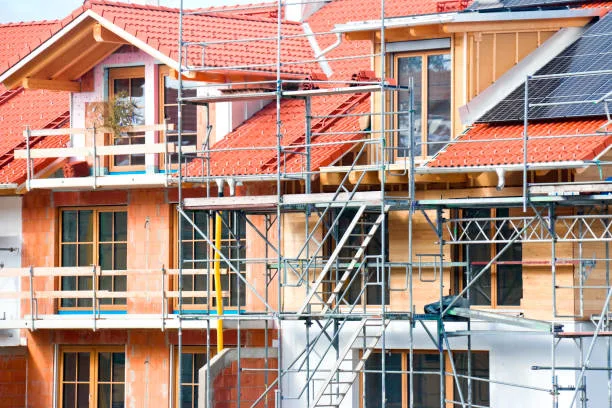
Public Projects
Prevailing wage rules and public bid documentation requirements add layers that most private-sector estimators are not built to handle.
- Municipal & County Buildings
- Public Infrastructure Projects
- Parks & Recreation Facilities
- Federally Funded Projects
- K-12 & Higher Education
- Transit & Transportation

Healthcare Facilities
OSHPD/HCAI oversight drives cost in ways general commercial estimating doesn’t touch, from structural bracing to specialized equipment coordination.
- Outpatient Clinics
- Skilled Nursing Facilities
- Medical Office Buildings
- Behavioral Health Facilities
- Research Labs & Facilities
- Hospitals & Surgical Centers

Retail Build-Outs
Fast timelines and brand-standard finish requirements define this sector, where speed to opening matters as much as accuracy.
- Restaurant Build-Outs
- Hotel & Resort Construction
- Tenant Improvement Projects
- Boutique & Franchise Stores
- Entertainment & Recreation
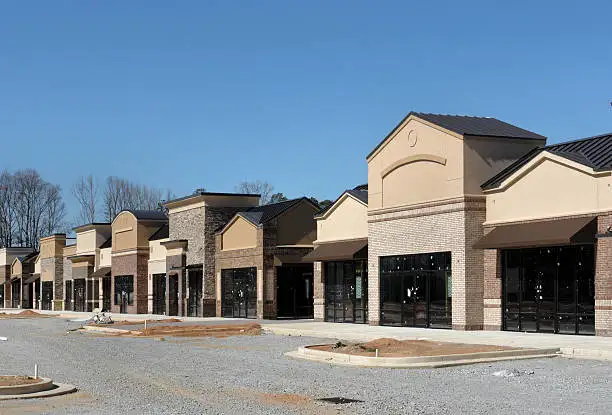
- Retail & Shopping Centers
CSI Divisions Trades We Cover in Our California Estimates
California’s trades don’t share a single cost driver; structural work carries seismic and soils considerations, envelope trades answer to energy code, and site work runs into grading and drainage rules that shift by jurisdiction. We price each division against what is actually pushing cost on your specific project, county, and trade, not a blanket markup applied across the board. Here is the list of trades that we cover in our California estimates and takeoff services.
03
Division 03 - Concrete & Foundation Systems
04
Division 04 - Masonry
05
Division 05 - Structural Steel & Seismic Bracing
06
Division 06 - Rough Carpentry & Framing
07
Division 07 - Roofing, Insulation & Fire-Rated Assemblies
08
Division 08 - Doors, Windows & Title 24 Glazing
09
Division 09 - Drywall & Interior Finishes
15
Division 15 - Plumbing & Fire Protection
16
Division 16 - Electrical & Low-Voltage Systems
23
Division 23 - HVAC & Title 24 Mechanical Systems
31
Division 31 - Earthwork, Grading & Site Drainage
31
Earthwork & Excavation - Division
What Sets Our Construction Estimating Company Apart in California
Most construction estimating companies in California sell speed or sell cheap. Design and Bids does neither. We sell the number that doesn’t fall apart when someone actually checks it.
Code-First Estimating
At our firm, Title 24, seismic requirements, and WUI zoning are priced into the takeoff from day one, not added as an afterthought.
Fully Traceable Numbers
No vague allowances. Every line item on your estimate can be traced back to a real source or calculation.
Local Estimator, Local Market
Your project is priced by someone who works in your specific California county, not a statewide average.
Whom We Serve in California
From solo contractors bidding their first commercial job to developers managing multi-site portfolios, California’s construction industry runs on stakeholders with very different needs. We build our estimating process around who you are and what your next bid actually requires, not a one-size-fits-all deliverable.
General Contractors
Competitive, defensible bid packages that help you win work without absorbing risk on unclear scope.
Subcontractors
Trade-specific takeoffs and pricing that let you bid your scope accurately against tight GC deadlines.
Developers
Feasibility-stage budgets and phased cost projections that support financing decisions before design is finalized.
Architects & Design Firms
Constructability-informed pricing that keeps your design intent aligned with what the budget can actually support.
Property Owners
Clear, jargon-free cost breakdowns that help you evaluate contractor bids and avoid overpaying on your project.
Public Agencies
Prevailing wage-compliant estimates and documentation built to meet public bid and procurement requirements.
The Technology Behind Every Accurate Estimate



The California Building Codes That We Follow While Estimating
California doesn’t run on one building code; it runs on layers. State mandates, county amendments, and jurisdiction-specific triggers all stack on top of each other, and missing one usually surfaces at the worst possible moment: plan check. These are the three areas that catch contractors off guard most often.
Title 24 Energy Efficiency Standards
California’s energy code is one of the strictest in the nation, governing everything from window U-factors to HVAC equipment sizing to insulation R-values by climate zone. A project priced against generic national energy assumptions almost always underestimates the mechanical and envelope costs Title 24 actually requires, which shows up as a budget gap after permits are pulled, not before.
Seismic Design Requirements (CBC Chapter 16, ASCE 7-22)
Structural pricing in California has to account for the seismic design category, not just wind or gravity loads. Moment frames, shear wall reinforcement, and foundation anchoring all carry cost premiums that vary by fault proximity and soil classification. Skipping this step doesn’t just risk an inaccurate number; it risks a structural design that fails to meet code entirely.
Wildland-Urban Interface (WUI) Fire Requirements
Projects built within designated fire hazard severity zones must meet CBC Chapter 7A standards for ignition-resistant construction, including fire-rated roofing, ember-resistant vents, and defensible space clearances. These requirements add real material and labor costs, and estimators unfamiliar with WUI zoning routinely leave them out entirely until the fire marshal’s review sends the project back.
Where in California We Provide Our Estimating Services
California is too large, and too inconsistent, for one price sheet to work everywhere. A crew in the Central Valley costs differently than one in San Francisco, and permitting timelines can vary by county even for identical projects. Our construction cost estimators build every estimate around the specific place you are breaking ground.
Los Angeles County
ZIP 90012
San Francisco County
ZIP 94102
San Diego County
ZIP 92101
Sacramento County
ZIP 95814
Santa Clara County (San Jose)
ZIP 95113
Orange County (Anaheim)
ZIP 92805
Valuable Words From Our California Clients
We don’t chase five-star ratings; we chase estimates that hold up when a plan checker, a lender, or a bonding company starts asking questions. That is why California contractors trust us for their construction projects. Look at what they are saying about our construction estimating services in California.
I’ve worked with estimators who treat Title 24 as a checkbox. The team of Design and Bids actually understood the energy modeling behind it, which saved us from a costly resubmission at the county level.
Nathaniel BrooksConstruction Manager
Public works bidding is unforgiving if your prevailing wage numbers are off. The cost estimators of this company pulled the correct determinations for our trade classification and county, and our bid held up without a single challenge.
Renee AshfordEstimating Director
Building near a fire hazard severity zone changes everything about material cost. They priced the defensible space and ignition-resistant requirements correctly the first time, no revisions needed.
Theo CallahanProject Owner
Local Numbers for a State That Doesn't Do Averages
California’s construction costs shift by county, not just by region. A Bay Area seismic retrofit and a Central Valley warehouse build carry entirely different labor pools, material pricing, and code triggers. When you look up construction estimating services near me, choose Design and Bids because our experts know your local market and construction dynamics.
FAQs
Do you account for California's Title 24 energy code requirements?
Yes. We price insulation values and HVAC sizing against Title 24 standards to ensure your estimate reflects real compliance costs instead of a generic national energy baseline that fails review.
How do you handle prevailing wage requirements on public works projects?
We pull current prevailing wage determinations for your specific county and trade classification to ensure labor costs on public-funded California projects meet legal requirements without inflating your competitive private-sector bids unnecessarily.
Can you price seismic retrofit and structural requirements?
Yes. Our estimators apply California Building Code seismic design categories, factoring in moment frames, shear walls, and reinforcement costs specific to your project’s location and California’s active fault zones.
Do you estimate for Wildland-Urban Interface (WUI) fire requirements?
Absolutely. For projects in designated fire hazard zones, we price fire-resistant materials, defensible space requirements, and ignition-resistant construction methods mandated by California’s WUI building standards.
How do you adjust pricing between California's regional labor markets?
Labor and material costs vary significantly between Los Angeles and the Central Valley. We apply county-specific pricing data rather than a statewide average that misrepresents your true project cost.