
Colorado Construction Estimating Services for IECC & ASHRAE Codes
Colorado’s construction sector added $33 billion to the state economy last year, per AGC of America and BEA data. Our Colorado construction estimating services ensure strict compliance with regional building codes, frost depths, and energy standards.
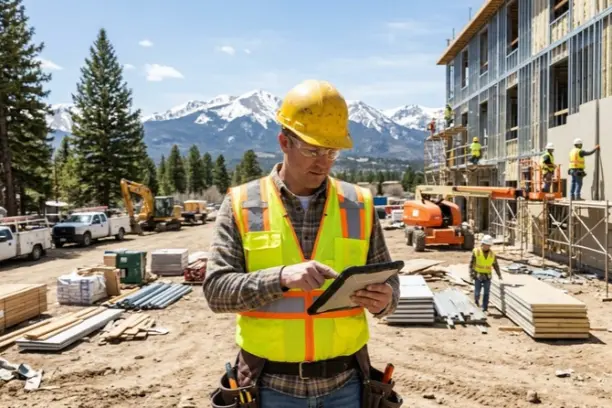
Core Colorado Construction Estimating Services
Material Takeoff & Quantity Surveys
Detailed material takeoffs cover framing, concrete, and MEP scope down to the stick count. Our construction estimates and quantity takeoffs Colorado teams reference IECC and ASHRAE specs on every item.
Budget & Cost Estimating
Line-item budgets separate labor, material, and permit costs before ground breaks. Construction budget estimating services Colorado contractors trust flag expansive soil and snow load overruns early.
Commercial bids follow ASHRAE 90.1-2019 lighting power density limits and HVAC efficiency minimums. Every proposal breaks down envelope, mechanical, and tenant improvement costs by CSI division for fast review.
Residential estimates price R-20 cavity plus R-5 continuous wall assemblies against Zone 4B and 5B code minimums. Framing, insulation, and blower door testing costs get itemized before permit submittal.
Renovation & Remodel Estimating
Remodel scopes need line pricing on demolition, structural changes, and code upgrades triggered by permit review. Our construction cost estimators flag those trigger points before a contractor commits to a bid.
Civil & Site Work Estimating
Site work pricing covers grading, utility trenching, and foundation depths tied to regional frost lines. Estimates account for drilled piers and slab-on-void systems where bentonite clay soils sit underneath.
What's Included in Material Takeoff & Construction Estimating Services Colorado
Every package includes verified quantities, itemized pricing, and code references a contractor can hand straight to a lender or building department without rework.
Precise Trade Quantities
Colorado Construction Takeoff Services deliver measured quantities for concrete, framing, drywall, and finishes, organized by trade and phase for easy bidding.
Cost Breakdown Reports
Reports separate labor, material, equipment, and overhead so contractors see exactly where budget dollars move through each phase of the build.
Permit-Ready Documentation
Documentation matches local jurisdiction formats, from Denver Community Planning submittals to county-level building department checklists used across the state.
Value Engineering Notes
Notes flag cheaper assemblies that still meet ASHRAE and IECC minimums, cutting cost without cutting code compliance anywhere in the scope.
Revision & Change Order Support
Estimates update fast when scope shifts mid-project, keeping change orders backed by real numbers instead of a contractor's best guess.
How the Estimating Process Works
Submit Plans and Scope
Upload drawings, specs, or a scope description to start a construction estimation in Colorado review. An estimator checks project size, county jurisdiction, and code cycle first.
Zip Code Based Pricing Applied
Pricing adjusts to local material costs, labor rates, and permit fees using zip code-based pricing, since Front Range and mountain costs run far apart.
Takeoff and Cost Review
Quantities get measured trade by trade, then priced against current construction cost in Colorado markets and the code-driven assembly requirements for that jurisdiction.
Delivery and Revision Window
Finished estimates arrive as itemized reports within the quoted turnaround, with a revision window included if scope or drawings change later.
- Don't Bid Blind on Colorado Code Missing one code line can cost thousands after permit review. Request a Colorado construction estimating services quote before your next deadline.
Sectors Covered Across Colorado's Construction Market
From ski towns to Front Range suburbs, construction projects in Colorado span four major sectors, each with different code triggers, soil conditions, and permitting timelines.
Residential Construction
Single-family and multifamily projects need IECC-compliant envelope pricing, especially in high-snow-load mountain counties where framing costs run higher than the plains.
- New home estimates
- ADU and addition pricing
- Multifamily framing takeoffs
- Insulation and blower door cost
- Foundation and frost depth pricing
- Permit-ready documentation
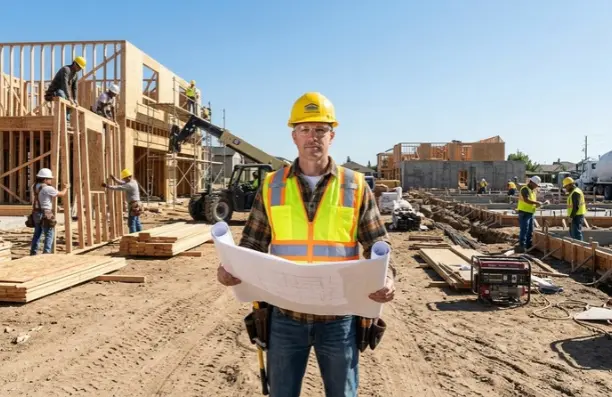
Commercial Construction
Office, retail, and hospitality builds priced against ASHRAE 90.1 lighting and HVAC minimums, with CSI-organized bids ready for lender and investor review.
- Tenant improvement estimates
- Shell and core pricing
- MEP system takeoffs
- Lighting power density compliance
- Site and parking cost
- Change order support
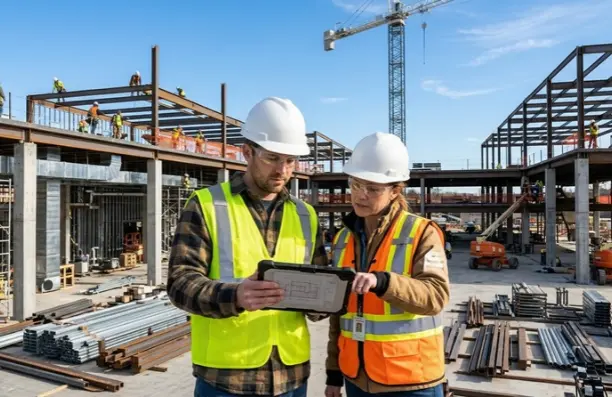
Industrial and WareHouse
Warehouse and light industrial projects carry heavier structural and site work costs tied to snow load and soil conditions across the state.
- Structural steel takeoffs
- Slab and foundation pricing
- Site grading and utilities
- Permit and inspection fees
- Fire and life safety systems
- Loading dock costing
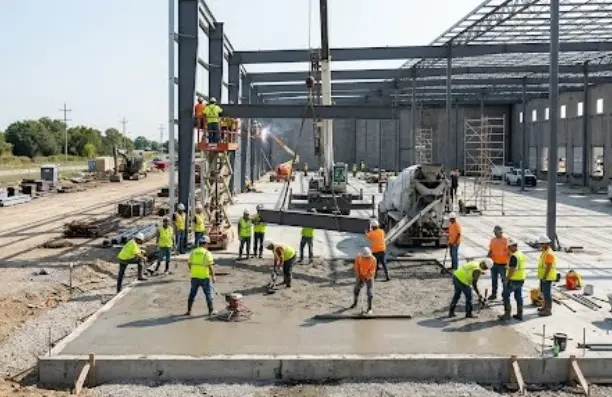
Public and Institutional
School, government, and healthcare projects follow stricter code review, so estimates document every compliance line for public bid packages and boards.
- Public bid package estimates
- Energy code compliance costing
- Accessibility upgrade pricing
- Phased construction budgets
- Wildfire mitigation cost items
- Regulatory documentation support
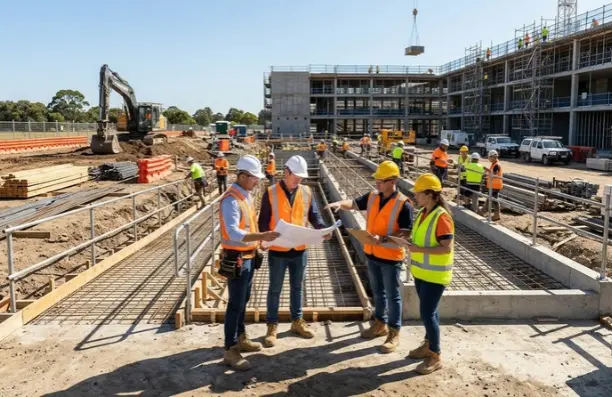
CSI MasterFormat Divisions We Estimate
Bids for every construction estimating company in Colorado get organized under CSI MasterFormat, so contractors, subs, and lenders read the same numbers the same way, whether a project sits in Denver or Durango.
03
General Requirements
04
Existing Conditions
05
Concrete
06
Masonry
07
Metals
08
Wood, Plastics, and Composites
09
Thermal and Moisture Protection
15
openings
16
Finishes
23
Fire Suppression, Plumbing, HVAC
31
Electrical
32
Earthwork and Exterior Improvements
Why Colorado Contractors Choose Design and Bids Estimating Team
Estimating accuracy for Colorado construction estimating services comes from knowing local code, not from running software alone. Three things set this team apart from generic national estimators.
Certified Estimators
As AACE and ASPE certified estimators, the Design and Bids team tracks Denver, Boulder, and mountain-county amendments directly, so pricing reflects real permit requirements, not a national average.
Fast Zip Code Turnaround
Turnaround times stay tight because pricing databases are already built around Colorado zip codes and regional material suppliers.
Direct Estimator Access
Contractors talk to the construction estimators who built the numbers, not a call center, when questions come up before bid day.
Why Outsourcing Estimating Saves Colorado Contractors Money
Keeping estimating in-house means paying salary year-round for work that spikes seasonally, while most construction estimating companies in Colorado now outsource that overhead into a per-project fee.
No Idle Overhead
Estimating staff sits idle between bid cycles, drawing salary regardless of workload. Outsourced pricing only gets billed when a project actually needs a number.
Local Code Accuracy
In-house estimators covering multiple states rarely track every amendment. A dedicated Colorado construction estimating industry specialist catches IECC and WUI code changes as they happen.
Faster Bid Turnaround
Dedicated Colorado teams process construction cost estimates in Colorado without competing against other departments for attention, so bids go out before competitors finish theirs.
Lower Bid Risk
Missed line items on expansive soil or snow load requirements turn into change orders later. Independent review catches those gaps before the bid goes out the door.
Software Without the License Cost
Estimating platforms carry real licensing fees. Outsourcing gives contractors access to that tooling without buying seats nobody touches outside of bid season.
Scalable Capacity
Bid volume swings hard by season for any construction estimating business in Colorado. Outsourced estimating scales up for spring bid rushes without a hiring or layoff cycle.
Estimating Software and Tools Behind Every Bid




Colorado Codes and Local Regulations That Shape Every Estimate
Colorado construction estimating means pricing against real code, not a national default. The 2021 IECC with Colorado amendments sets thermal envelope rules statewide, while ASHRAE 90.1-2019 governs commercial lighting and HVAC. Local jurisdictions like Denver, Boulder, and Pikes Peak Regional add their own permit layers on top of the base code. Expansive bentonite soils, high snow loads, and wildfire zones each carry separate cost drivers that generic estimating software tends to miss entirely.
Energy Code Compliance
Every residential estimate checks R-20 plus R-5 continuous insulation against Climate Zone 4B along the Front Range, or heavier Zone 5B assemblies in mountain counties. Blower door testing must confirm air leakage at or under 3.0 ACH50 before final sign-off. Commercial estimates track ASHRAE lighting power density limits near 0.79 watts per square foot for open office space. Fenestration U-factors cannot exceed 0.32 given the state’s high-altitude solar exposure and wide temperature swings.
Permitting and Jurisdiction Variance
Colorado has no single statewide building permit. Denver Community Planning and Development, Pikes Peak Regional Building Department, and dozens of county offices each apply their own review timelines and fee schedules. Wildland-Urban Interface projects in foothill and mountain zones need separate line items for defensible space, Class A roofing, and ignition-resistant siding under IRC Chapter R337. MEP permits and third-party duct-blaster testing add further cost outside the base building permit fee.
Soil, Snow, and Frost Factors
Expansive bentonite clay along the Front Range often forces structural grade beams, drilled piers, and slab-on-void foundations to counter soil heave, a factor generic estimating tools frequently miss. Mountain and ski-town jurisdictions like Aspen, Vail, and Breckenridge carry ground snow loads from 50 up to 150 pounds per square foot, driving framing and steel costs sharply higher. Frost depth requirements range from 30 inches on the plains to 48 inches or more in high-altitude counties.
Local Estimating Coverage Across Colorado
Colorado construction estimating services coverage spans the Front Range and mountain corridor, pricing projects from downtown high-rises to backcountry cabin builds statewide.
Searching for construction estimating services near me in Colorado? Design and Bids Coverage reaches every major metro and mountain jurisdiction across the state.
Denver, CO
80202
Colorado Springs, CO
80903
Boulder, CO
80302
Aurora, CO
80010
Fort Collins, CO
80521
Aspen, CO
81611
What Colorado Contractors Say About Their Estimates
Contractors across the state rely on these numbers to win bids and pass plan review without a surprise change order later in the build.
Our bid came back within 48 hours, itemized down to the ACH50 blower door line. We won the project and passed plan review with zero code revisions.
Marcus Whitfield
Project Estimator
Turnaround averaged 24-48 hours across six bids last quarter, and every one matched our final permit costs within 3 percent of the estimate.
Dana Reyes
Estimating Manager
The takeoff caught a $40,000 gap in our snow load framing before we submitted. That single catch paid for a year of estimating fees.
Tom Abernathy
General Contractor
Get a Colorado Estimate Before Your Next Bid Deadline
Code gaps and soil surprises turn into six-figure change orders after a bid is won. Request pricing now and get an itemized, code-referenced estimate before the deadline.
Frequently Asked Questions
How long does a Colorado construction estimate take?
Most estimates return within 24 to 48 hours depending on project size and scope complexity. Larger commercial or multi-phase projects may need an extra day for full review.
Do you account for local building code amendments?
Yes, every estimate reflects the specific jurisdiction’s adopted code cycle, whether that’s Denver, Boulder, a mountain county, or a rural building department with its own amendments.
What is zip code-based pricing?
Material costs, labor rates, and permit fees vary sharply between the Front Range and mountain counties. Pricing adjusts to the project’s exact zip code rather than a statewide average.
Can estimates handle wildfire zone requirements?
Yes, projects in Wildland-Urban Interface zones get priced with defensible space, Class A roofing, and ignition-resistant siding costs included, matching IRC Chapter R337 requirements for that county.
What happens if project scope changes after delivery?
Every estimate includes a revision window. We turn around updated quantities and pricing quickly so change orders stay backed by real numbers, not guesses.