
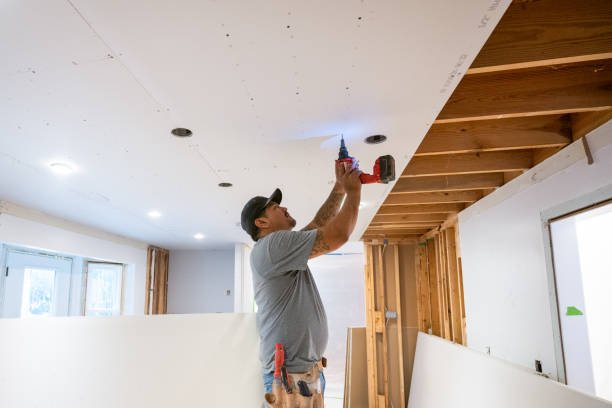
How Much Does Drywall Installation Cost Per Sheet in 2026?
Drywall prices are quickly fluctuating and the 2026 new labor rates, price of materials and markups in the supply chain will directly impact your budget. When setting up a remodel, basement finishing or new construction, knowing the cost per sheet will save you the surprise of the contractor and the hassle of having materials in short supply.
This guide will teach you the true cost of drywall installation per sheet in 2026, including labor and material costs and the most frequent add-ons that add to overall amounts. You will also learn the influences of screw count, fastening patterns, and choice of tools on the speed of installation and the overall cost.
We will also divide the Screws per Sheet of Drywall to enable you to estimate accurately and not spend a lot of money on fasteners. This modernized 2026 guide has more practical pricing ranges, real-life installation considerations, and contractor-level insights, which most blogs omit.
Drywall Installation Cost Per Sheet in 2026
The prices of drywall installation depend on how large the sheets are, the height of the wall, and how you use it on ceilings or on regular walls. The contractors also vary in their prices according to their level of finishing, access to the site, and demand for labor within a given area. That is why a fast pricing table will provide you a clear starting point before adding up sum totals of a complete project.
The revised 2026 cost snapshot is provided below, which displays the materials and labor prices, enabling you to estimate faster without guessing.
2026 Updated Pricing Table
| Drywall Sheet Size | Wall Installation Cost (Installed) | Ceiling Installation Cost (Installed) | Material Cost | Labor Cost | |
| 4×8 Sheet (Standard) | $55-$95 per sheet | $70-$120 per sheet | $15-$30 | $40-$90 | |
| 4×12 Sheet (Standard) | $80-$140 per sheet | $95-$170 per sheet | $22-$45 | $58-$125 |
Ceilings are more expensive since installers are slower on the overhead, and additional fastening support to prevent sagging is required. The big sheets are costlier at the start, but in most projects, the big sheets can save on finishing work as there are fewer seams.
Average Drywall Cost Breakdown Per Sheet (Material + Labor)
Drywall installation cost per sheet includes more than just the panel. Contractors base their prices on finishing materials, fasteners, and work-time. When you simply compare the prices of sheets, you will never get the true budget.
The majority of drywall works demand the use of joint compound, tape, screws, and occasionally the use of anchors to aid in support. The labor varies as well according to ceiling work, conditions of framing, and level of finishing. Delivery may also be costly when the jobsite is not easily approachable or involves lift support.
Drywall Cost Breakdown Per Sheet in 2026
| Cost Item | Low Cost | Average Cost | High Cost |
| Drywall Sheet Price | $12 | $20 | $35 |
| Joint Compound & Tape | $6 | $10 | $18 |
| Screws & Anchors | $4 | $8 | $15 |
| Labor Per Sheet | $35 | $60 | $110 |
| Delivery (Optional) | $0 | $10 | $25 |
| Total Installed Cost Per Sheet | $57 | $108 | $203 |
To better estimate, always ensure that you are certain of what size screws for 1-2 drywall before buying.
How Many Screws Per Sheet of Drywall? Walls vs Ceilings
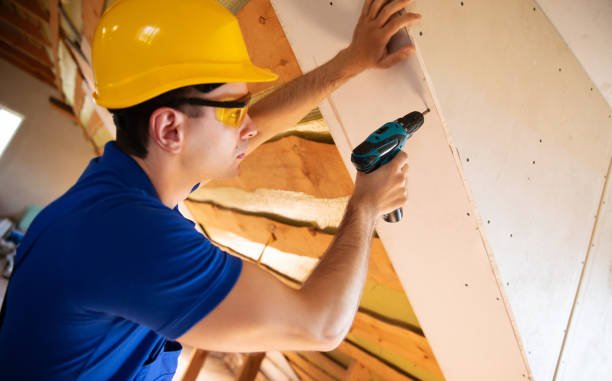
The number of screws that you apply to each sheet of drywall determines the extent of strength, the quality of the finished product, and its longevity. The number of screws may be too low to result in loose and sagging panels. An excessive number of screws may ruin the board surface and add more patchwork when finished. This is why contractors do not guess at the patterns of fastening but adhere to the standards.
Standard Screw Count for a 4×8 Drywall Sheet
Installers in the majority of residential and commercial projects use the following ranges of common screws:
- Wall installation: 28-32 screws on a 4×8 sheet.
- Installing ceiling: 36-48 screws per 4×8 sheet.
These figures presuppose standard spacing of studs and correct fixing of their edges.
Let’s Get In Touch
Get Precise Drywall Estimates and Make Project
Execution Flawless!
Why Ceilings Need More Screws?
The ceilings must have additional screws, as the gravity always pulls the drywall downwards. When installers apply the same screw pattern as walls, the sheet may move, sink, or form nail pops over time. The amount of joint stress is also greater in ceiling drywall, particularly in big rooms where there is a temperature variation.
This is why the professionals always add some density of fastening overhead and always keep a similar distance in the field area.
To take off material fast and accurately, it is always good to compute how many screws per sheet of drywall and then place an order. It allows you to not run out of fasteners and ensures that labor is not wasted.
Sheetrock Screw Spacing Rules in 2026 Standard Guide
Correct placement of screws keeps the drywall flat, firm and crack free over time. When screws are over spaced, the sheet can be bent and the seam will not hold. By putting screws too near, you may cut through the gypsum core and cause finish issues. This is the reason why professional installers adhere to the same rules of spacing in each job.
Standard Screw Spacing for Walls (Most Common Setup)
In ordinary residential framing, the contractors are guided by the following spacing rule:
- Field screws: every 16 inches
- Keep rows aligned across studs for a clean fastening pattern
In this technique, the drywall is held in place, and there is less screw usage.
Standard Screw Spacing for Ceilings
In the case of drywall ceiling, the space between boards must be reduced since the boards are under constant pressure to press downwards.
- Field screws: every 12 inches
- More screws prevent sagging and reduce screw pops over time
Better fastening of ceilings around seams is also needed to achieve stability over time.
Edge Screw Spacing (Important for Crack Prevention)
Edges of drywall are the most stressed, particularly at joints and corners.
- Edge screws: every 8 inches
- Maintain consistent edge spacing to prevent seam movement
This is among the simplest methods of enhancing finish quality. By observing the Sheetrock screw spacing, you enhance the durability, fewer repairs on the drywall, and achieve a smooth finish with less patching and sanding work.
Screw Distance for Drywall like Edge vs Field Placement
The distance between screws is not as important as the proper location of the screws. You can install the screws in the wrong position and the edges of the drywall may collapse, joints may be broken and panels may loosen over time.
Ideal Screw Distance From Drywall Edges
In the majority of drywall construction, install screws:
- Approximately 3/8-inch to 1/2-inch of factory edges.
- Approximately 1/2 inch to 3/4 inch of the cut edges.
This placement keeps the gypsum core strong and prevents edge blowout during fastening.
What Happens If Screws Are Too Close to the Edge?
Sometimes screws can become too close to the edge and tear the paper face and crack the drywall. This rupture normally causes cracking along the seams and loose joints which fail in the taping process. Later, you will hear screw pops as the panel moves.
What Happens If Screws Are Too Far From the Edge?
When screws are too far below the edge, the drywall edge will eventually. The movement leaves loose seams and visible lines of joints upon completion. This error may also result in edge sagging in ceilings.
Proper screw distance for drywall enhances the holding strength, results in fewer repairs, and a cleaner joint finish with less patching.
What Size Screws for 1/2 Drywall?
At Design and Bids, the selection of the correct drywall screw size will avoid weak fastening, cracks, and subsequent screw pops. Contractors choose screw length according to the thickness of the drywall, the type of studs, and the wall or ceiling on which a sheet will be applied.
The length of the screws used in 1-2 drywall is dependent on the framing material and where they are installed in the most common projects.
Recommended Screw Size for ½ Inch Drywall
- Fine thread drywall on wood studs: 1 1/4-inch coarse thread drywall screws.
- 1/2-inch on metal studs: 1 1/4-inch fine thread drywall screws.
- Installation of drywall ceiling: Screws should be 1 5/8 to provide more grip and support.
Coarse Thread vs Fine Thread
The screws have crude threads that cut aggressively into wood and do not strip. Fine thread screws are cut into metal studs and cut cleanly, and they minimize the possibility of ruining the framing. When you install the wrong type, the drywall can loosen or break during finishing.
Drywall Installation Tools You Need
A clean drywall job requires tools and not experience. The appropriate tools enhance the screw depth control, waste minimization, and faster installation. The DIY installers tend to spend more due to the fact that they purchase tools without understanding the most important ones.
These are the essential drywall installation tools in order to have a professional-grade finish.
Essential Tool Checklist + Cost Ranges
- Drywall screw gun ($60–$250)
- Drywall T-square ($15–$40)
- Taping knife set ($20–$80)
- Drywall lift for ceilings ($150–$450)
- Stud finder ($20–$70)
- Sanding pole ($15–$50)
- Utility knife ($8–$25)
These tools allow you to work at a faster rate and minimise errors that result in rework and an increase in labour cost.
Best Drywall Drill Bit for Fast Installation
A typical drill bit makes the installation of dry walls slow and results in stripped screw heads. Special bits are applied by professional installers to maintain the depth of screws and not to tear drywall paper.
A drywall screw setter bit with depth control is the best drywall drill bit to be used for speed and clean fastening.
Best Drill Bit Options for Drywall Work
- Drywall screw setter bit ( built-in stop collar)
- Magnetic drill bit (easy grip and faster screw loading)
- Depth control bit (prevents overdriving and dimpling damage)
Phillips bits are quicker as drywall screws demand a lot of effort and repetitive pounding. A setter bit decreases the amount and enhances the quality of finish.
Wallboard Installation Step-by-Step
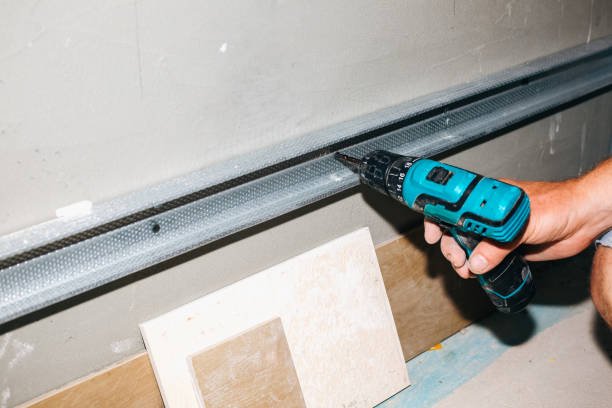
Drywall works are a failure due to the rush that the installers take when laying out. The process used by the professionals is clean, and the results are high-quality joints, smooth seams, and a minimum of finishing. This will also assist you in computing sheets and fasteners more efficiently.
When a proper wallboard installation is done, it is done in the following steps.
Step-by-Step Drywall Hanging Process
- Framing straight studs and proper spacing of checks.
- Measure walls and layout a sheet plan to minimize waste.
- Score and cut drywall with a scoring knife and snap.
- Hang sheets horizontally to provide greater seam alignment.
- Turn the screws without breaking the paper face.
- Alternate rows to avoid cracking.
- Bend the joints tight, but do not force the sheets.
Let’s Get In Touch
Get Precise Drywall Estimates and Make Project
Execution Flawless!
Wallboard Clips and Wallboard Installation on Uneven Framing
The seams of drywall tend to crack when installers do not support the edges of the sheets. The solution to this problem is wallboard clips that strengthen the joints without the need to add additional studs. They are used by many contractors to do remodels when the framing is not exactly in line.
Wallboard clips help to make the installation clean and minimize the seam movement in the long run.
What Wallboard Clips Do
- Support drywall edges between studs
- Reduce joint cracking in weak seam areas
- Improve alignment on uneven framing
- Help prevent wavy drywall surfaces
Cost and Quantity Estimate
The wallboard clips cost around $0.30-$0.75 each clip, depending on the brand as well as the material. Installers can install 20-40 clips in a typical room, especially on long walls and ceiling seams.
Sheetrock Anchors Install Guide For Hanging After Drywall
Heavy objects cannot be supported by drywall without anchors. Drywall is unable to support heavy objects without anchors. The screw can just come out and destroy the wall when you right after attaching shelves, TVs, and mirrors without anchors. Adequate selection of anchors will guarantee protection of the drywall and enhance the load-bearing capacity.
An appropriate procedure for Sheetrock anchor installation is based on the weight, wall thickness, and position of the studs.
Common Drywall Anchor Types
- Plastic expansion anchors (light duty)
- Molly bolts (medium duty)
- Toggle bolts (heavy duty)
Basic Weight Capacity Guide
- Plastic anchors: 10–25 lbs
- Molly bolts: 25–50 lbs
- Toggle bolts: 50–100+ lbs
Mistakes to Avoid
Ensure anchors are not tight because they can crush the drywall core. Always use the correct hole size and anchors should never be put where there is a weak seam.
Cost Per Sheet by Project Type (Residential vs Commercial)
Prices of drywall depend on the type of building and difficulty of the work. Home drywall is likely to be charged at a faster rate with fewer checks. Commercial drywall can utilize fire-rated assemblies, heavier versions of boards, and stricter adherence.
The comparison of the cost of typical types of projects in the year 2026 is realistic and presented in the following.
Drywall Installation Cost by Project Type Per Sheet Installed
| Project Type | Low Cost | Average Cost | High Cost |
| Basement Drywall | $60 | $95 | $150 |
| Garage Drywall | $55 | $90 | $140 |
| Office Partitions | $70 | $120 | $180 |
| Bathroom Moisture-Resistant Drywall | $75 | $130 | $200 |
Factors That Increase Drywall Installation Cost in 2026
Drywall price cannot just rise. Some of the conditions make the contractors take more time in cutting, lifting, and finishing. These can make your cost per sheet significantly greater than normal estimates.
Here are the most common cost drivers in 2026:
- High ceilings and walls at the stairway.
- Wet drywall- Resistant to moisture.
- Acoustic insulation of apartments and studios.
- Commercial and garage walls made of fire-rated drywall.
- Installation and detailing of corner beads.
- Drywall and vapor barrier preparation insulations.
- Finishing at a higher level (Level 4 or Level 5)
Finish levels increase the number of mud coats, time of sanding, labour, and escalate overall pricing very fast.
Drywall Labor Cost Per Sheet (2026 Contractor Pricing)
The biggest component of drywall installation cost is labor. An open room is simpler to install compared to having to remodel with tight corners and obstacles. The pricing is also adjusted by the local wages and schedule of the projects by contractors.
Drywall installation tools and crew productivity have a direct effect on the labor cost in most markets.
Typical Drywall Labor Pricing in 2026
- Low labor rate: $35-$50 per sheet
- Average labor rate: $55-$85 per sheet
- High labor rate: $90-$140 per sheet
There are those contractors who charge per sheet, and there are those who charge per hour. Hourly contracting can add to the overall cost of intricate work since finishing drywalls is not as quick as anticipated.
Drywall Cost Estimation Formula (Fast Calculation Method)
When you have a formula, you can easily estimate the cost of drywall. This process assists homeowners, contractors, and estimators in preventing shortages of materials and cost mistakes.
Waste percentage and number of fasteners are always a part of a strong estimate.
Fast Estimation Formula
- Total wall + ceiling area (sq ft)
- Divide by sheet coverage (32 sq ft for 4×8)
- Add 10% waste for cuts and mistakes
- Multiply by the installed cost per sheet
Example Estimate (Simple Room)
A room with 320 sq ft drywall area needs:
- 320 ÷ 32 = 10 sheets
- Add 10% waste = 11 sheets total
- If cost per sheet installed = $95
- Total estimate = $1,045
Common Drywall Screw Mistakes That Increase Cost
An error in drywall is expensive, as it involves rework in the process of finishing. The slightest mistakes in screws may lead to cracks, displacement of seams, and observable bumps of paint. Contractors tend to add additional costs when they are called upon to fix shoddy work.
The following are the most costly errors to make:
- Overdriving screws and tearing paper
- Missing studs during fastening
- Using too few screws on ceilings
- Ignoring spacing rules across seams
- Choosing the wrong screw length
Conclusion
The cost of drywall installation per sheet in 2026 will be determined by the labor rates, type of material, the level of finishing, and the complexity of ceilings. In the majority of cases, homeowners pay more when they miscalculate the number of screws to use, when they disregard the spacing guidelines, or when they select the wrong tools. A cost breakdown is a detailed breakdown that will always prevent overruns on the budget.
To have the correct price on your project, ask a professional to do a drywall takeoff and cost estimate. A detailed estimate also assists you in controlling waste, planning materials, and preventing costly change orders.
FAQs
How many screws per sheet of drywall for walls?
The average number of screws per 4×8 sheet of drywall to install the wall is 28-32. This is determined by the spacing of the studs and edge fixing. When you put the screws in the right place, you increase the strength of the panel and minimize joint movement when finishing.
How many screws per drywall sheet for ceilings?
A drying wall normally requires 36-48 screws per 4×8 sheet. The spacing between screws should be even tighter in ceilings, as the gravity exerts continuous pressure. The more screws, the less sagging and fewer pops of the screws after a change in temperature and humidity.
What is the right spacing of Sheetrock screws?
Typical spacing of standard screws in the field is approximately 16 inches, and 8 inches at the edges. In the case of ceilings, installers usually reduce the spacing to approximately 12 inches. The right spacing enhances holding power and produces better seams.
What are the size screws of 1/2 drywall on wood studs?
In the case of 1/2-inch drywall on wood studding, the contractor typically uses 1 1/4-inch coarse-thread drywall screws. This size offers a good bite into lumber but not too deep. The ceilings or layered drywall may require longer screws.
Which drywall drill bit is most suitable to use in installing screws?
A depth-controlled drywall screw setter bit is best used to achieve a clean installation. It effectively stops overdriving and cushions the drywall paper surface. Magnetic bits also enhance speed, but depth control bits provide superior consistency for professional results.
Do wallboard clips minimize drywall breaks?
Yes, wallboard clips lessen the cracking by holding drywall edges between studs. They reinforce seams and assist in adjusting sheets to fit. They are most effective in remodels or framing designs where the studs are not over drywall joints.
What will be the cost of installing drywall in 2026 per sheet?
Drywall costs vary by the type of work done, but generally, in 2026, the cost of installing drywall is between $55 and $140 per installed sheet. The simplest wall installations remain at the bottom of the scale, and ceilings, moisture-resistant drywall, and higher levels of finish raise the costs. Final cost is also influenced by local labor rates.
