
Concrete Slab Cost in 2026: Full Price Breakdown by Size, Thickness, and Type
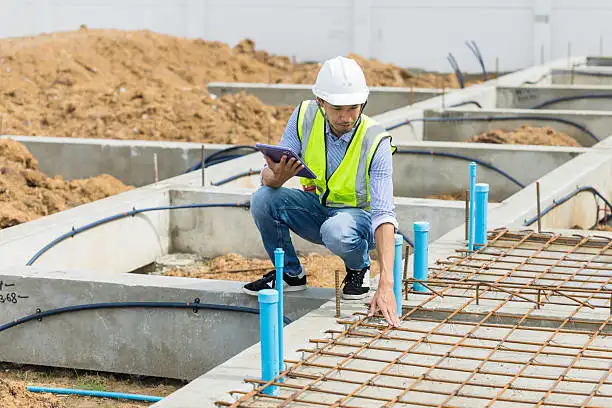
A concrete slab costs $6 to $12 per square foot installed in 2026, with most homeowners paying around $8 per square foot for a standard 4-inch residential pour. That translates to $4,800 to $9,600 for a typical 800-square-foot garage or driveway slab. Your final cost depends on slab thickness, steel reinforcement, site preparation, and regional labor rates. While material costs have stabilized, labor and site preparation still account for nearly half of the total invoice.
This guide breaks down 2026 concrete slab costs by square footage, cubic yardage, slab type, and geographic region, equipping you to evaluate contractor bids with confidence.
Concrete Slab Cost 2026: Quick Answer
Before getting into the details, here is the price range for concrete slabs you can expect across the most common ways contractors and suppliers price a job.
| Pricing Method | 2026 Cost Range | Typical Average |
| Per square foot (installed) | $6 – $12 | $8 |
| Per cubic yard (ready-mix, delivered) | $150 – $210 | $175 |
| Per bag (60 lb, bagged concrete mix) | $4.50 – $7 | $5.75 |
| Materials only (per sq ft) | $3 – $7 | $4.50 |
| Labor only (per sq ft) | $3 – $8 | $4.50 |
This price range is typically for a 4-inch slab with basic mesh reinforcement and a broom finish. Sloped lots or decorative finishes push the price toward the top of the range or beyond it.
Concrete pricing also changes with the broader material market. Cement is a commodity input, and its cost is influenced by energy prices and transportation. Import volume also influences the price because the U.S. relies on imports for close to a quarter of its cement supply, which is one reason regional availability affects your quote as much as distance from the batch plant does.
Need precise estimates for your upcoming project?
Get a free, itemized project estimate from Design and Bids, backed by verified US construction market data and material import insights.
Concrete Slab Cost by Project Size
Generally, the total cost of concrete slabs scales with square footage. So, with increasing square footage, the concrete slab cost increases. Here are typical residential projects of different square footage to give you an idea of what runs in 2026.
| Slab Size | Square Footage | Estimated Cost Range |
| 10×10 ft (shed pad) | 100 sq ft | $700 – $1,500 |
| 12×12 ft (small patio) | 144 sq ft | $950 – $2,100 |
| 16×20 ft (single-car garage) | 320 sq ft | $2,100 – $4,500 |
| 20×20 ft (two-car garage) | 400 sq ft | $2,600 – $5,600 |
| 24×24 ft (larger garage) | 576 sq ft | $3,800 – $8,000 |
| 30×30 ft (workshop/pole barn) | 900 sq ft | $5,900 – $12,500 |
| 40×60 ft (large outbuilding) | 2,400 sq ft | $15,600 – $32,000 |
Most estimators use a 20×20 slab as the benchmark, since it is the footprint of a standard two-car garage. The cost of a 4-inch pour is $2,400-$5,600, requiring about 4.9 cubic yards of concrete.
Concrete Slab Cost per Cubic Yard
If you are ordering ready-mix directly from a supplier, rather than paying a full turnkey rate, pricing shifts to a per-cubic-yard measurement basis. Ready-mix concrete delivered to the site averages $150 to $210 per cubic yard in 2026, with short load fees of $50 to $100 if an order is below the truck’s minimum capacity (8 to 10 yards).
| Concrete Volume Needed | Slab Size Example (4″ thick) | Estimated Material Cost |
| 1.5 cubic yards | 10×10 ft | $225 – $315 |
| 5 cubic yards | 20×20 ft | $750 – $1,050 |
| 9 cubic yards | 30×30 ft | $1,350 – $1,890 |
| 15 cubic yards | 40×40 ft | $2,250 – $3,150 |
How Slab Thickness Affects Cost
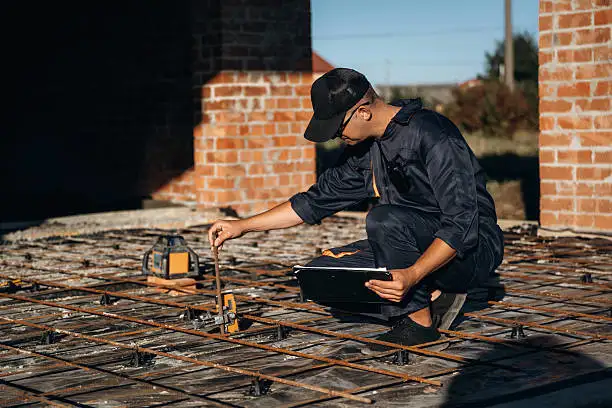
Thickness is very important as it directly influences the quantity of concrete used. The 6-inch slab has 50% more materials than the 4-inch slab, and each additional square foot costs from $0.50 to $1.25 per inch.
Look at the costs of different slab thicknesses and their common uses.
| Slab Thickness | Common Use | Cost per Sq Ft |
| 3.5 inches | Sidewalks, light foot-traffic pads | $5 – $9 |
| 4 inches | Patios, sheds, garages (standard residential) | $6 – $12 |
| 5 inches | Driveways with occasional vehicle loads | $7 – $13 |
| 6 inches | Heavy-duty driveways, RV pads, light commercial | $8 – $15 |
| 8 inches | Commercial floors, heavy equipment areas | $10 – $18 |
Match the load to the thickness. Usually you only need 4 inches for a patio or shed floor, but a driveway that will have cars on it all the time should be at least 5 to 6 inches, so it won’t crack under the repeated weight.
Pro Estimating Tip: Always match slab thickness to structural load requirements. A 4-inch slab works well for a residential patio, but vehicle driveways require 5 to 6 inches to prevent cracking under repeated loads. Conversely, pouring an 8-inch slab for a light garden shed wastes money without adding practical value.
Concrete Slab Cost by Type and Application
The end use of the slab changes the specification and the price because different applications call for different thickness, reinforcement, and finish requirements. Have a look at the table in which we have mentioned different slab types and their cost per square foot.
| Slab Type | Typical Cost per Sq Ft | Notes |
| Shed or storage pad | $4 – $8 | Minimal reinforcement, 3.5–4″ thick |
| Patio | $6 – $12 | Often includes a broom or light decorative finish |
| Sidewalk/walkway | $5 – $9 | 3.5–4″ thick, control joints every 5 ft |
| Garage floor | $6 – $12 | 4″ standard, 5–6″ for heavy vehicles |
| Driveway | $7 – $15 | 5–6″ thick, higher PSI mix, rebar common |
| House foundation (slab-on-grade) | $5 – $14 | Monolithic pour with thickened footing edges |
| Basement floor | $6 – $12 | Requires vapor barrier and often insulation board |
| Stamped/decorative concrete | $10 – $22 | Includes coloring, stamping, and sealing |
| Polished concrete floor | $5 – $17 | Grinding and polishing add significant labor cost |
Foundation grade slabs and driveways sit at the higher end because they need thicker pours and steel reinforcement to handle structural or vehicle loads. According to the U.S. Census Bureau’s New Residential Construction data, roughly three-quarters of new U.S. homes are built on slab-on-grade foundations, which is why this category gets so much search volume and contractor attention every year.
Additionally, slab-on-grade foundations remain popular mainly because they are the most affordable foundation type available. That affordability gap is why slab foundations dominate in warm climates with stable soil, even though basements and crawl spaces offer more usable space and easier access to plumbing and wiring.
Cost Breakdown of a Concrete Slab Bid
Understanding how contractors structure their estimates helps you evaluate proposals accurately:
| Cost Component | Share of Total Cost | Per Sq Ft Estimate |
| Ready-mix concrete | 35% – 45% | $2.50 – $4.50 |
| Labor (forming, pouring, finishing) | 40% – 50% | $3 – $8 |
| Site prep (grading, excavation, base) | 10% – 20% | $1 – $3 |
| Reinforcement (rebar/mesh) | 5% – 10% | $0.20 – $3 |
| Equipment (pump truck, saw cuts) | 5% – 10% | $0.30 – $1.50 |
Labor is consistently the largest line item, which is why site access and crew efficiency matter so much. A flat lot with pump-truck access keeps labor near the low end; a sloped or tight lot that requires wheelbarrowing concrete by hand can push labor costs toward $8 per square foot on its own.
The U.S. Bureau of Labor Statistics’ 2025 wage release puts the national mean pay for cement masons and concrete finishers at $28.87 per hour ($60,050 per year), and that figure varies by 20% or more between states, which is a major reason quotes differ so much by region.
Concrete Grade and PSI: Does Strength Change the Price?
Concrete strength is measured in PSI (pounds per square inch) and is a measurement of the load the slab is able to handle after installation. Residential slabs are typically mixed at 3,000 to 4,000 PSI, while driveways and garages often require 4,000 PSI or higher.
Below is a short comparison of the price of concrete slabs with different PSI ratings.
| PSI Rating | Common Application | Added Cost vs. 3,000 PSI Baseline |
| 2,500 – 3,000 PSI | Sidewalks, light patios | Baseline |
| 3,500 – 4,000 PSI | Garage floors, standard driveways | +$10 – $20 per cubic yard |
| 4,500 – 5,000 PSI | Freeze-thaw regions, heavy-duty driveways | +$20 – $40 per cubic yard |
| 5,000+ PSI | Commercial or industrial floors | +$40 – $60 per cubic yard |
Reinforcement Cost: Rebar vs. Wire Mesh vs. Fiber
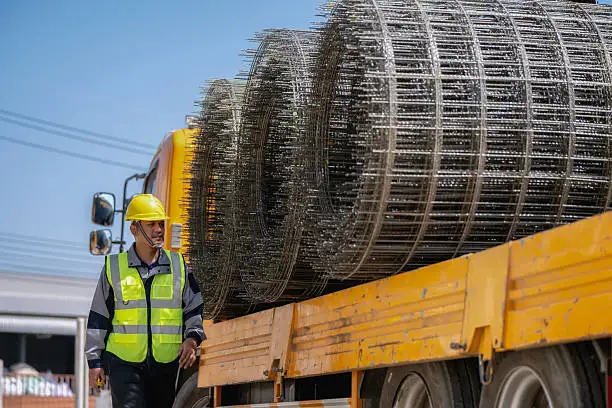
Reinforcement keeps hairline cracks from turning into structural problems. The right choice depends on:
- Slab thickness
- Soil conditions
- Expected load
Look at the table in which we have given the cost of different reinforcement types for better understanding.
| Reinforcement Type | Cost per Sq Ft | Best For |
| Fiber mesh (added to mix) | $0.10 – $0.20 | Sheds, patios, low-traffic pads |
| Welded wire mesh | $0.20 – $0.30 | Standard residential slabs, sidewalks |
| Rebar grid (#3 or #4 bar) | $2 – $3 | Driveways, garage floors, foundations |
| Post-tensioned cable | $3 – $6 | Expansive clay soils, larger foundations |
Structural Note: Proper reinforcement spacing is critical. Rebar grids are typically placed on 12- to 24-inch centers, while expansion/control joints should be saw-cut every 8 to 12 feet to control natural concrete shrinkage during curing.
Other Cost Factors That Affect Your Total Bid
Beyond size, thickness, and reinforcement, several site-specific items commonly appear on a full concrete slab quote. Costs of these additional factors must be known to prepare an accurate bid for your concrete project.
| Add-On | Typical Cost |
| Excavation and grading | $1 – $3 per sq ft |
| Gravel/crushed stone base (4″) | $0.75 – $1.50 per sq ft |
| Vapor barrier (for basements/indoor floors) | $0.10 – $0.25 per sq ft |
| Old slab removal/demolition | $2 – $6 per sq ft |
| Control joint saw-cutting | $0.10 – $0.25 per linear ft |
| Concrete pump truck rental | $600 – $900 per day |
| Building permit | $75 – $500, depending on jurisdiction |
| Stamped or colored finish upgrade | $3 – $10 per sq ft |
Old slab removal is worth flagging separately, since replacing an existing driveway or patio adds demolition and haul-away costs before the new pour even starts. Get this itemized on your quote rather than assumed as part of the base price.
Weather and curing time are also things worth planning for. Newly poured concrete can handle foot traffic in 24 to 48 hours and will reach full design strength in 28 days, so plan any heavy use of the slab accordingly, especially in cold or wet weather that can slow down curing.
Regional Cost Differences
Concrete prices vary 20% to 40% or more between low-cost and high-cost markets, largely because of labor rates, distance to move cement, and local demand.
We are going to mention the cost variation of concrete slabs based on different regions in the table below.
| Region | Relative Cost | Typical Per Sq Ft Range |
| Midwest / South-Central (low cost) | Below national average | $5 – $9 |
| Southeast | Near national average | $6 – $10 |
| Northeast | Above national average | $8 – $13 |
| Pacific Coast (CA, WA, OR) | High | $9 – $16 |
| Hawaii / Alaska | Highest | $12 – $20+ |
Labor availability is one of the clearest drivers here. State-level BLS wage data shows cement masons and concrete finishers earning well above the $28.87/hour national mean in coastal states. For example, California’s mean wage for this trade runs about 18% higher than the national figure, which flows directly into higher installed slab pricing in those markets. Material costs add to the gap too: the BLS Producer Price Index for hydraulic cement stood at 354.7 in February 2026 (1982=100), reflecting how much cement input costs have climbed over the past several decades and continue to pressure regional material pricing.
Let’s Get In Touch
Get accurate, line-item concrete cost estimates from Design and Bids. Request your free quote today!
DIY vs. Hiring a Concrete Contractor
While pouring concrete yourself eliminates contractor labor fees, DIY execution is best reserved for small, non-structural slabs:
| Approach | Cost Range | Best For |
| Full DIY (rent mixer, buy bagged mix) | $3 – $5 per sq ft | Pads under 100 sq ft, no structural load |
| DIY forming + delivered ready-mix | $4 – $6 per sq ft | Sheds, small patios with helper labor |
| Hire a licensed contractor | $6 – $12 per sq ft | Driveways, garages, foundations, anything load-bearing |
Concrete sets fast once it’s out of the truck, and finishing quality is what determines whether a slab lasts 30-plus years or starts cracking within a few winters. Foundations, driveways, and anything requiring a permit or inspection should go to a licensed contractor rather than a DIY attempt.
Let’s Get In Touch
Get accurate, line-item concrete cost estimates from Design and Bids. Request your free quote today!
How to Lower Your Concrete Slab Cost
Here are a few practical ways to bring your total down, without cutting corners on durability.
- Bundle Multiple Pours: Combine separate projects (e.g., a driveway apron and backyard patio) into a single pour to minimize mobilization fees and meet minimum truck order thresholds.
- Optimize Order Volumes: Order ready-mix close to full truck capacity (8–10 cubic yards) to avoid short-load delivery surcharges ($50–$100).
- Select Standard Finishes: Choose a traditional broom finish over stamped, exposed aggregate, or polished concrete unless decorative aesthetics are essential.
- Pre-clear the Site: Perform initial site clearing and debris removal yourself to reduce contractor labor hours.
- Schedule Off-Peak: Plan non-urgent projects during late autumn or early spring when contractor schedules are open and rates are more competitive.
Conclusion
In 2026, an installed concrete slab costs between $6 and $12 per square foot, with a national average of $8 per square foot for standard 4-inch residential work. Small shed pads (10×10 ft) average $700 to $1,500, while full two-car garage foundations or driveways range from $4,800 to $9,600+.
Getting itemized, line-item estimates that detail slab thickness, PSI mix grade, steel reinforcement type, and site preparation costs protects your budget and ensures fair contractor comparisons.
Get accurate, instant concrete estimates. Get your free quote today!
Frequently Asked Questions
How much does a 12×12 concrete slab cost in 2026?
The installation cost for a 12×12 slab typically ranges between $950 and $2,100. This cost typically depends on the thickness and site access of the concrete project.
What is the average cost per square foot for a concrete slab in 2026?
Most homeowners pay $6 to $12 per square foot for installation of concrete slabs in their homes. The national average is close to $8 per square foot for a standard 4-inch residential pour.
Is it cheaper to pour concrete yourself?
Yes. DIY can bring costs down to roughly $3 to $6 per square foot, but one thing you must remember is that it is only practical for small and non-structural pads. Foundations and driveways should be professionally installed and comparably costly.
Does concrete slab cost include labor?
The price of concrete slabs that are installed per square foot includes labor, materials, and basic finishing. Slabs that are priced per cubic yard only include material costs, not labor rates.
Why do concrete slab prices vary so much by region?
Labor wages, cement transport costs, and local demand all differ by market. That is why prices of concrete slabs vary with the location. Coastal and metro areas typically run 20% to 40% higher than central U.S. regions for comparable work.
