
Demolition Cost Estimating Guide: Everything You Need to Know
Tearing down a building costs more than swinging a wrecking ball. A missed permit or a hidden pocket of asbestos can add thousands of dollars to a job overnight. The EPA’s Asbestos NESHAP rule requires a full building inspection before almost every commercial demolition, even when no asbestos is expected. That single requirement changes the whole cost picture before a crew ever shows up.
Good demolition cost estimating blends two skills. It means reading the physical building and reading the regulatory paperwork at the same time. Estimators who skip either step build budgets that fall apart mid-project.
This guide breaks the process into clear parts. It covers structural versus selective demolition scope, the estimator’s job in protecting project margins, and how technical documentation lowers financial risk.
What Types of Buildings and Factors Affect Demolition Costs?
Building type sets the price floor for almost every demolition job. The materials used to build a structure determine the equipment, labor, and time needed to dismantle it safely.
1. Wood-Frame Homes
These are the easiest buildings to remove. They are light and simple. You will usually pay $4 to $8 per square foot.
2. Concrete and Masonry Buildings
These buildings are very solid. You need heavy machines and more force to break them apart. The price is usually $8 to $16 per square foot.
3. Steel-Frame Commercial Buildings
These are the most expensive. You need special tools to cut and move the heavy steel beams. A standard 5,000-square-foot building often costs about $30,500 to demolish.
Factors that Affect the Demolition Costs
Local building codes and neighborhood rules often add a second layer of expense and time to your estimate.
| Regulatory Factor | Impact on Cost | Mitigation Strategy |
| Seismic Bracing Rules | High | Use structural engineer oversight |
| Historic District Review | Very High | Engage with officials early |
| Noise and Hours Ordinances | Medium | Plan for schedule compression |
| Coastal and Environmental Rules | High | Apply specialized runoff control |
What Is Included in a Pre-Demolition Assessment?
A pre-demolition assessment is a technical audit. You must do this before any machines enter the site. It checks the building for risks. It keeps your crew safe and helps you follow the law. It also helps you make a better budget.
1. Structural Engineering Survey
A professional engineer checks the building. They look at how it was built. They find out how it will react when you take it down. They find weak floors, bad trusses, and loose walls. This stops the building from falling down by mistake. OSHA law requires this survey. If you skip it, you could face big fines or get shut down.
2. Hazardous Materials (HAZMAT) Audit
You must test for toxic materials. This includes asbestos, lead paint, and harmful chemicals in lights or switches. Federal law requires this test for most buildings. Cleaning up these materials costs about $2 to $3 per square foot. For a medium building, this can cost over $10,000.
3. Utility Disconnect Verification
Every service line must be turned off and capped. You need to do this before any work starts. This includes gas, electricity, water, sewer, and phone lines. You need a signed letter from each utility company. This proves the lines are safe and dead.
4. Soil and Environmental Testing
Industrial sites often need soil and water tests. This finds leaking fuel tanks or chemical spills in the ground. This helps you stop dirt and trash from washing into the city storm drains.
5. Site Access and Safety Plan
This checks how your work will affect people nearby. You may need walkways, street guards, or road closures to keep people safe. If other buildings are nearby, you may need sensors to make sure your work does not hurt their foundations.
Pre-Demolition Assessment Checklist
| Assessment Item | Key Deliverable | Legal/Safety Status |
| Structural Survey | Signed Engineering Report | Mandatory (OSHA) |
| HAZMAT Audit | Abatement Plan & Lab Results | Mandatory (Federal) |
| Utility Check | Disconnect Clearance Letters | Mandatory (Local AHJ) |
| Environmental Test | Soil Contamination Report | Site-Specific |
| Site Safety Audit | Traffic & Vibration Plan | Required for Urban Sites |
What Codes and Permits Apply to Demolition Projects?
Before starting any demolition, you must obtain official authorization from your local building department, also known as the Authority Having Jurisdiction (AHJ). Failure to secure these will result in work stoppage and heavy fines.
- Demolition Permit: This is the main legal paper you need to start work. You must show the city your site plans, a report on any dangerous materials, and proof that your gas and water are turned off.
- Successor Development Plan: Some cities will not let you tear down a building until you show them a clear plan for what you will build in that spot later.
- NFPA 241: This is a national fire safety rule. It tells you how to keep fire extinguishers ready and how to use heaters safely so you do not start a fire.
- OSHA 29 CFR 1926 Subpart T: These are federal safety laws. They require a professional engineer to look at the building first to make sure it will not fall down on your workers.
- Asbestos NESHAP: This is a federal law about hidden dangers. You must have a professional check the building for asbestos and file a report with the government before you begin.
- Clean Air Act: These are air quality rules. You must use water to keep dust down so it does not blow into the street or into neighbors’ homes.
- SWPPP: This is a water safety plan. It requires you to use filters and fences to keep dirt, oil, and trash from washing into city drains or rivers.
- Utility Clearance Letters: You must get signed letters from utility companies. These prove that all gas, power, and water lines are disconnected and capped safely at the street.
- On-Site Compliance File: You must keep a folder at the job site that holds your permit, inspection reports, and utility letters. If an inspector shows up, they will want to see these papers right away.
- Traffic and Sidewalk Permits: You need these if your work trucks or debris will block public streets or sidewalks while you are working.
Let’s Get In Touch
Call us And Get The True Demolition Cost Estimates For Your Next Project.
Understanding Direct vs. Indirect Costs
To get the right price, you must split your budget into two parts. Direct costs are for the physical work. Indirect costs are for the planning and safety paperwork.
1. Direct Costs: The Physical Work
These are the hard costs to take down the building and clear the site.
- Equipment Rental & Fuel: You need heavy machines like excavators and shears. Budget for weekly rental rates and fuel costs.
- Specialized Labor: You need skilled workers. This includes HAZMAT teams and crane operators. Labor is usually 30% to 40% of your total cost.
- Logistics & Tipping Fees: You pay to haul debris to a dump. Costs depend on the weight and volume of the trash.
- Utility Disconnection: You must pay to cap gas, water, and power lines safely.
- Mobilization & Safety: You pay to move your machines to the site. You also pay for dust sprayers and safety fences.
- Environmental Remediation: You pay for pumps to remove water from basements and filters to stop dirt runoff.
Key Cost Factors:
- Material Density: Concrete is heavy. It takes more power and fuel to break than wood.
- Material Salvage: You can recycle steel or copper to earn money back, but it takes time to sort.
- Operational Constraints: If the city says you must work at night, you will pay more for labor.
2. Indirect Costs: Paperwork and Risk
These are the soft costs for planning and legal safety.
- AHJ Permitting & Fees: You pay for permits and structural reviews.
- Insurance & Surety Bonds: You pay for liability insurance. City jobs cost more because there are buildings and people nearby.
- Public Safety & Traffic Control: You pay for road signs, flaggers, and barriers to protect the public.
- Administrative Overhead: You pay for project management and legal papers.
- Contingency Reserves: Add 10% to 15% extra to your budget. This helps if you find hidden tanks or weak walls.
Estimator’s Tip: Never use the same list for every job. Look at the specific site. A city job is very different from a country job.
What Is the Demolition Cost Calculation Formula?
Use this formula to find your total project price:
Total Cost = (Labor + Equipment + Disposal) (Complexity Multiplier) + Overhead
The complexity multiplier is the most important part. A simple wood house has a multiplier of 1.0. A city steel building with asbestos and tight access has a multiplier of 1.5 or higher. If you pick the wrong number, you will lose money on the job.
What Is the Standard Demolition Workflow?
Follow these seven steps to avoid costly delays:
Site Inspection ⇢ HAZMAT Testing ⇢ Permits ⇢ Utility Disconnects ⇢ Structural Demolition ⇢ Material Sorting ⇢ Haul-off/Closeout
Do not skip or change the order of these steps. If you start the teardown before the permit is ready, the city will stop your work. This wastes money while your machines sit idle.
How Do Financial Tables Reduce Demolition Risk?
Financial tables turn scattered cost data into a format estimators can check fast, before a bid goes out. Waste categorization is the clearest example. Different materials carry very different tipping fees, and getting the mix wrong throws off the whole disposal budget.
The table below breaks down common demolition waste tipping fees and how each material typically moves through the disposal system.
| Waste Type | Handling and Processing | Estimated Tipping Fee |
| Clean Concrete | On-site crush, used as aggregate | Low |
| Structural Steel | Sorted and recycled | Negative, generates revenue |
| Mixed Construction and Demolition Debris | Manual sorting required | High |
| Asbestos and Hazardous Material | Specialized containment | Premium |
| Wood and Lumber | Chipped or landfilled | Low to Medium |
| Drywall and Gypsum | Landfilled or recycled where possible | Medium |
| Roofing Material | Landfilled, limited recycling | Medium to High |
| Brick and Masonry | Crushed for fill material | Low |
Reading this table before a bid protects margin. A job with a high share of mixed debris and low recyclable material, like clean concrete or steel, costs more to dispose of than a job with the opposite mix. Design and Bids estimators who build this into the bid avoid the most common source of demolition cost overruns.
What Common Pitfalls Slow Down Demolition Projects?
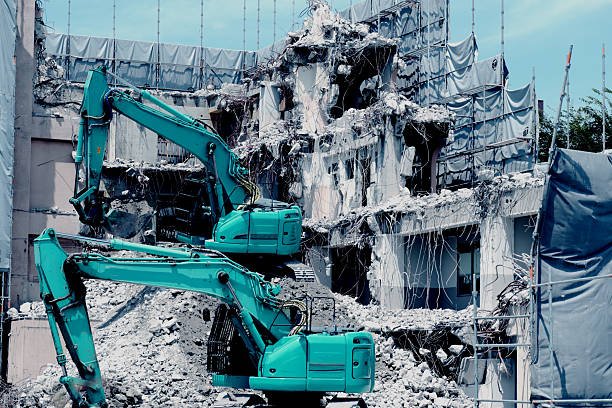
Demolition projects are often slowed down by hidden underground obstacles, inaccurate debris calculations, daily operational delays, surprise hazardous materials, poor site security, and lengthy municipal inspection times.
Undocumented Buried Objects
Old site plans are often wrong. You might find hidden tanks, deep footings, or old pipes while digging.
- The Risk: You will need to stop work and pay for extra labor and tools.
- The Fix: Use ground-penetrating radar (GPR) to scan the ground before you start.
Wrong Debris Volume
Calculating the wrong amount of trash is dangerous. Broken concrete takes up more space than solid walls. This is the “swell factor.”
- The Risk: You will run out of money to pay for trucks and dump fees.
- The Fix: Use 3D software to calculate the exact weight and volume of the materials.
The Daily Burn Rate
Time is money in demolition. Rain, broken machines, or waiting for papers will cost you every day.
- The Risk: You lose your profit because the job takes too long.
- The Fix: Add extra days to your schedule to cover possible delays.
Hidden Hazardous Materials
You may find asbestos or lead paint after you start. This is called scope creep.
- The Risk: Costs skyrocket, and the city might stop your work.
- The Fix: Do a destructive test on materials before you bid. Do not just look at them.
Poor Site Security
An open site is a big liability. If people get inside or if you lack proper lights, accidents happen.
- The Risk: You will face heavy city fines or higher insurance bills.
- The Fix: Always list security fences and cameras in your bid.
Inspection Delays
Getting a permit is not the end. Waiting for the city to inspect your site can take a long time.
- The Risk: You pay for a dead site while waiting for the city to approve your work.
- The Fix: Plan for inspection time in your schedule. Talk to the city building officials often.
Let’s Get In Touch
Call us And Get The True Demolition Cost Estimates For Your Next Project.
Key Takeaways for Accurate Demolition Cost Estimates
To write a successful demolition bid, you must understand three things. You need to know the building, the paperwork, and the local rules. Every site is unique. You must price the risks correctly before you send your bid. Never use a copy-and-paste template from a past job.
Your budget is split into two parts. Direct costs like labor, machines, and dump fees set your base price. Indirect costs like permits, insurance, and safety gear show you how much extra money you need for a safety buffer. Missing these costs is the fastest way to turn a profitable job into a loss.
The complexity multiplier is the most important part of your bid. Simple jobs have a low multiplier. Tough jobs with asbestos, tight spaces, or historic rules need a high multiplier. A great bid tells the specific story of the site by listing every risk line by line.
If you want to be sure your bid is perfect, get a second opinion. Relying on a professional demolition estimating services review can help you find missing gaps while they are still cheap to fix. Taking the extra time to plan now will keep your profit safe once the work begins.
Frequently Asked Questions
What is the difference between structural and selective demolition?
Structural demolition is tearing down the whole building to the ground. Selective demolition is taking out only certain parts inside while keeping the rest of the building standing.
How long does a permit take to get approved?
It depends on your city and how hard the job is. Small house permits often take one to two weeks. Big commercial jobs or historic building projects can take four to eight weeks.
Does every job need a HAZMAT survey?
Most commercial and factory buildings need this test by law. Small houses with four units or fewer are usually exempt, but you should still check your local city rules.
What is the highest cost in a demolition estimate?
The type of building material is the highest cost. Steel and concrete are heavy and hard to break. They cost more to take down than wood houses because they need big machines and more time.
How can I stop costs from going too high?
You can stop overspending by testing for toxic materials early. You should also call your city office to get the exact permit prices. Finally, always use a complexity multiplier that matches your specific site and safety needs.
