
Dome Home Construction Cost in 2026 and Is It Worth Building?
Dome homes are appealing to buyers because they can withstand heavy winds and minimize heat loss. They are also designed to be modern and unique, thus attractive to homeowners that prefer luxury. The US Department of Energy estimates heating and cooling to comprise approximately 43% of the total utility expenses per household per year. This is why such energy-saving designs as domes become increasingly popular.
In this guide, you will get to know all about dome home prices and building plans. You will also find a complete cost breakdown, interior planning concepts and practical dome examples. You will know what influences the costs, which materials work best and how to estimate your budget in the most appropriate way. This blog will provide you with practical insights that competitors do not realize.
What Are Domes? (Meaning, Design & Why Dome Structures Exist)
Definition of Domes in Architecture
What are domes in simple terms? A dome is the rounded top of a roof building, which is a curved shell. Architects design domes to enclose extensive rooms without a huge number of interior columns. This opens up large spaces and a more open design. Domes are frequently in the form of half spheres though there are oval and polygonal designs.
Why Dome Geometry Works So Well?
A dome distributes the weight evenly over the surface. This distributed pattern minimizes pressure points that tend to make flat roofs weak. This form imparts pressure to the walls and foundation downwards. That enhances the strength of domes against earthquakes, wind pressure, and heavy snow. According to the National Institute of Building Sciences, resilient construction may decrease disaster losses by up to $11 dollars for every dollar invested.
Where Domes Are Commonly Used?
You can observe domes in churches, mosques, government buildings and stadiums. The reason why builders select domes is that they are strong and beautiful. Domes are also used in covering vast areas by the designers of the stadiums without the heavy support beams.
Domes vs Traditional Roof Structures
The conventional roof relies on trusses, corners, and joints. These regions tend to be stressful. Domes are not sharp and minimize weak points. This is the reason why modern constructors have confidence in dome constructions in terms of permanence.
Architectural Domes Uses Explained
Why Architectural Domes Matter in Modern Construction?
Architectural domes provide an intelligent combination of functionality, design and durability. The reason why builders use domes is that the curved roof is more effective in dealing with pressure as compared to flat roofs. The framing distributes the loads equally and minimizes the weak corners. This design is useful in heavy-snow and high-wind areas. FEMA estimates that the cost of damage from wind and storms costs the US billions annually. Stronger building shapes are now more valuable than ever.
Dome Structures Used in Homes and Luxury Resorts
A lot of homeowners are opting to have dome designs in their modern homes. Domes provide open spaces and minimize the use of interior support columns. The domes are also used as eco-lodges and luxury glamping setups in resorts. These buildings are tourist attraction sites since they appear to be futuristic. The future of glamping in the world market is still on the rise because tourists seek accommodation that is nature-oriented. Dome resorts also reduce the maintenance in the long term as compared to the normal cabins.
Domes for Outdoor Cafes and Hospitality Businesses
Dome pods are now used to provide year-round seating in restaurants and outdoor cafes. These domes aid in enabling businesses to run in winter and rainy seasons. They also enhance the privacy and comfort of the customers.
Greenhouses and Agricultural Dome Applications
Dome designs also help greenhouses to capture heat. Greenhouse domes enhance air circulation and distribution of sunlight. They encourage all-year-round gardening and growing. Dome greenhouses are used by many farmers to guard against frost and harsh winds that destroy the plants.
Commercial and Industrial Dome Projects
Domes are utilized by commercial builders in warehouses, event halls, and sports amenities. The domes save on the use of materials since they occupy so much space. They are designed with high ceilings without heavy beams. This renders them perfect for industrial storage and exhibition facilities.
Materials Used in Modern Dome Construction
Lightweight and weatherproof shells are made of fiberglass by modern dome builders. Monolithic domes are best constructed using concrete since it is extremely strong. Steel frames are used to support designs of geodesic domes and enhance flexibility.
Which Dome Home Type Is Best Geodesic, Monolithic or Modular?
There are a number of different styles that modern dome homes have and each one of them influences the cost, life span, and interior. There are dome constructions that are concerned with extreme weather resistance. Others emphasize quick setup and contemporary designs. Knowing the differences assists you in avoiding budget errors and selecting the most suitable type of dome. Domes are favored by many homeowners since the curved form minimizes stress points. This enables the domes to be strong compared to the traditional roof designs.
Geodesic Dome Homes
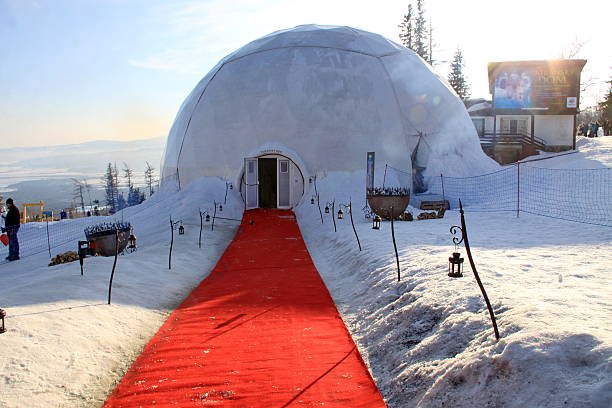
Geodesic domes have a frame system of triangles that form a strong and lightweight construction. This design is commonly used by builders using steel, timber or aluminum frames. The triangle shape spreads the load equally on the surface.
Monolithic Dome Homes
The construction is done by the builders through inflatable artforms and reinforced concrete. This type of dome is effective in hurricanes, tornadoes, and wildfire areas. FEMA attests that in extreme storms, the hurricane winds may exceed 150mph. That is one of the reasons why monolithic domes are attractive to those residing in the coastal areas. Compared to concrete and specialized work, these domes are more expensive initially.
Prefab / Modular Dome Homes
Prefab domes come in the form of ready-made panels or a kit that is assembled rapidly by a contractor. This kind is appropriate for customers who desire speedy building schedules. Modular domes are frequently suitable for glamping locations and Airbnb’s. The low construction time saves on labor compared to the custom dome construction. Industry housing reports have shown that often, 30% to 50% of the entire construction cost is labor. Prefab domes contribute to managing that cost by making installation easier. Modular domes are more attractive to many investors as they begin to generate rental revenues sooner.
Dome Home Type Comparison Table
| Dome Type | Structure Style | Cost Level | Best For | Main Advantage | Main Challenge |
| Geodesic Dome | Triangle frame | Mid-range | Modern homes, cabins | Strong and lightweight | Complex interior layout |
| Monolithic Dome | Concrete shell | High | Storm-prone areas | Extreme durability | Higher upfront cost |
| Modular / Prefab Dome | Panel kit system | Low to mid | Airbnb, glamping | Fast installation | Limited customization |
What Are Dome Prices Per Square Foot in 2026 Cost Breakdown?
Dome pricing cannot be calculated with a mere square-foot calculation. Prices vary depending on the type of material, the type of dome, location and the level of interior finish. The construction of most dome buildings is more expensive initially than standard homes. Nevertheless, they usually save on repair costs in the long-term. The US Department of Energy estimates that heating and cooling can comprise approximately 40% of the energy consumption in a home. Dome buildings save on heat wastage since the building shape enhances air circulation and insulation.
Basic Dome Home Cost
Simple dome houses can be as cheap as $120 to $180 per square foot. These constructions have bare interiors, conventional floors, and few custom windows. Constructors employ low-cost finishes and simple HVAC. It is the most suitable tier when it comes to small families and rental property.
Mid-Range Dome Home Cost
Mid range dome houses are typically priced at $180 to $250 per square foot. This group has enhanced insulation, enhanced kitchens and enhanced window systems. This is the level at which homeowners do modern flooring and custom lighting. This level is the most comfortable and long-term.
Luxury Dome Home Cost
Luxury dome homes may be as high as $250 to $400 per square foot. This comprises high-quality flooring, designer kitchens, smart homes and huge curved glass walls. Numerous luxury domes have skylights, patios and luxury HVAC systems as well. Custom windows and curved doors increase the final cost very rapidly.
| Dome Finish Level | Average Cost Per Sq Ft | Best Use Case |
| Basic Dome | $120–$180 | Budget home, glamping rental |
| Mid-Range Dome | $180–$250 | Family home, long-term living |
| Luxury Dome | $250–$400 | High-end custom estate |
Cost of the Dome Home by Size (Small vs Medium vs Large Domes)
The cost of the dome changes heavily based on size because larger domes require stronger foundations and more engineering. Large domes also add HVAC loads and plumbing complexity. The common belief that most homeowners have is that larger homes are cheaper per square foot. This is not always the case with domes since the curved materials usually need to be manufactured on a case-by-case basis. The size also influences the labor hours, allowing fees, and completion budgets.
Small Dome Homes 500-1000 sq ft
Houses are usually one-bedroom, one bath and an open-space living room. A small dome construction tends to be between $60-$180000 on the basis of finishes. Smaller domes also save on heating and cooling expenses. They are also suitable for rural land projects since they require less excavation. This size is favored by many customers for vacation homes and off-grid living.
Mid-Size Dome Homes (1,000–2,000 sq ft)
Mid-size domes provide sufficient space to families at a reasonable cost. Costs typically fall between $180000 and $450000. This size is suggested by many builders as the primary residence to live in. It has also made it possible to have better solutions for storage and optional loft designs.
Large Dome Homes 2500+ sq ft
Big dome houses typically demand specialized engineering and a premium foundation. The construction of these houses usually incorporates numerous bathrooms, high-end kitchen areas and open entertainment areas. The cost can be upwards of $500,000 and could be more than a million dollars. In luxury domes, there are also increased electrical loads and zoning of HVAC. Most owners include custom-shaped glass, making it appear quite expensive. Big domes are perfect for buyers who desire a statement home with a distinct design.
Full Dome Home Cost Breakdown (Materials + Labor + Utilities)
The breakdown presents a detailed picture of the cost of the dome home. Many competitor blogs provide only basic estimates without covering actual construction categories. To avoid budget surprises, it’s important to understand every cost component involved. The final price depends on factors such as foundation complexity, dome shell type, labor requirements, and local building regulations. Utility installation and interior finishes often account for a significant portion of the overall budget.
Working with a professional construction estimating service can help you accurately forecast these expenses before construction begins. Detailed cost estimates provide better budgeting, reduce financial risks, and ensure that all materials, labor, utilities, and finishing costs are properly accounted for throughout the project.
| Cost Category | Typical Cost Range |
| Site Prep & Excavation | $5,000–$30,000 |
| Foundation | $15,000–$80,000 |
| Dome Shell Structure | $40,000–$200,000 |
| Insulation & Waterproofing | $8,000–$50,000 |
| Doors & Custom Windows | $10,000–$80,000 |
| Electrical Work | $8,000–$35,000 |
| Plumbing System | $10,000–$45,000 |
| HVAC Installation | $8,000–$30,000 |
| Interior Walls & Framing | $10,000–$60,000 |
| Flooring | $6,000–$40,000 |
| Kitchen + Cabinets | $15,000–$80,000 |
| Bathrooms | $10,000–$70,000 |
| Painting & Finishes | $5,000–$25,000 |
| Permits & Inspections | $2,000–$15,000 |
Let’s Get In Touch
Need accurate dome home costs? Get a detailed
construction estimate.
Small Dome House Interior Layout Ideas + Space Planning Tips
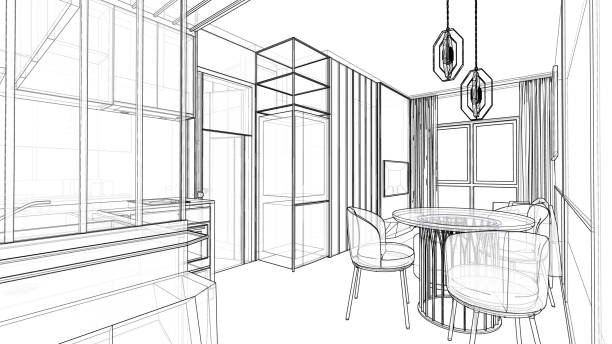
The proper design of a small dome house interior can make it appear bigger than a conventional house of the same size. The curved walls are also open but they need intelligent planning in the layout. Most homeowners have a problem with placing furniture since the regular cabinets fail to accommodate curved edges. The answer is in modular furniture and individual storage units. Designers usually suggest placing vertical storage so that the storage space is utilized to the maximum. Open plans are ideal since the walls decrease airflow and natural lighting.
Best Layout Ideas for Small Dome Interiors
Begin with a central living area and add rooms to the edges. This method generates superior movement and minimizes corners that go to waste. A large number of dome owners will incorporate a loft to provide sleeping space. Lofts create more space in the kitchen and the living room. Inbuilt benches would also be effective since they are along the curve of the wall. Small kitchens are most effective when they are close to the plumbing lines. A flow and usability can also be enhanced by a curved island.
Storage and Furniture Planning Tips
Use wall shelves as opposed to large cabinets. Select round tables as they are more compatible with the dome shape. Wasteful, large square furniture should be avoided. Sliding doors are more effective than swing doors in curved designs. Curved track custom closets are also available. Numerous homeowners utilize under-stair storage or loft platforms. This plan makes a lot more storage with no additional square footage.
Bedroom and Privacy Solutions
Separate bedrooms with lightweight partition walls. Budget designs are also effective with curtains and modern dividers. Locate bedrooms at the edges of the periphery to retain the centre open. Acoustics is also enhanced by the use of rugs and soft furniture.
Real Example Case Study: Marco Island Dome Home
Marco Island dome home proved a notorious house as it managed to survive severe Florida coastal storms. It was perceived by many to be evidence that dome designs can withstand hurricane-force winds. Florida is experiencing one of the greatest risks of hurricanes in the United States. According to NOAA, hurricanes result in tens of billions of damages in the case of major storm seasons. This fact renders storm-resistant housing a solemn investment. Dome houses have a benefit as they minimize pressure points created by wind. The air passes around the building rather than hitting flat surfaces.
Why This Dome Home Became a Symbol of Strength?
This dome was a source of interest because of its peculiar form and resistance. The use of dome construction in homes began to be studied by many homeowners on the coasts after viewing the performance of this construction. The curved design of the structure assisted it in managing powerful winds. The house also escaped the roof collapsing that is characteristic of conventional houses.
Estimated Cost and Construction Factors
The construction price is variable based on the foundation and coastal code provisions. The Florida coastal projects need to be reinforced and designed in a manner that they are resistant to floods. Most of the coastal constructions also need raised foundations. Such aspects add to the cost of construction as opposed to dome homes that are built inland. Hurricane areas are also affected by insurance rates on long-term ownership costs.
Timeline and Coastal Planning Lessons
Constructions of the coastal dome are time-consuming with licenses and engineering permissions. Constructors should adhere to the strenuous hurricane safety measures. Such projects can be subjected to inspection at each level. The example of Marco Island demonstrates that domes are effective when properly designed. It further demonstrates the importance of professional planning over cheap shortcuts.
What Are Portable Dome Structures, Igloos, Outdoor Domes and Patio Pods?
Portable igloos are expanding in the market since individuals want versatile outdoor areas. They are used by homeowners as back yard lounges, winter dining areas and personal workstations. Portable domes are also utilized by event planners in weddings and seasonal festivals. A wide range of restaurants increased outdoor seating capacity in the form of igloo pods. This tendency gained momentum in 2020 as the demand for outdoor dining rose. Portable domes will enable businesses to use seating without the permanent construction. Most of the igloos can be installed very quickly with minimal labor.
Best Uses for Portable Igloos
Portable igloos can be applied to winter dining arrangements. They are also used by the homeowners as reading rooms or garden lounges. Other customers make use of them as guest pods on a short-term basis. Portable igloos are currently being employed by many luxury resorts as seasonal glamping. These domes can also be used temporarily in the malls and outdoor markets.
What Is the Outdoor Patio Igloo Cost Guide for Uses, Pricing and Size Options?
The outdoor patio igloo market offers options for both residential and commercial buyers. The pricing is based on size, thickness and material quality. Smaller patio igloos usually range between $500-$2000. Commercially scaled igloos may cost between $2000 and $10,000 or even higher. Restaurants are more expensive since they require more durable materials and fireproof heating. Lighting, seating, and ventilation additions are also common features by many buyers. These extensions add up to high prices.
Residential vs Commercial Patio Igloo Costs
Lightweight PVC frames are normally used in residential patio igloos. The strengthened frames and hard anchoring systems are common in commercial igloos. The wind resistance panels also come in higher durability, which the restaurants prefer. A lot of commercial-type models have ventilation windows and door seals. These characteristics enhance cold-weather comfort. Others are also fitted with waterproof floors to protect against snow and rain.
Heating and Ventilation Setup Costs
Most patio igloos require secure heating systems, such as electric heaters. Propane heating is a risk and requires proper ventilation. You will need to spend about $200 to 800 on heating systems. Airflow should also be considered so as to avoid the accumulation of condensation. Ventilation fans are approximately $100-$400 based on power. These renovations make it comfortable and eliminate the development of molds.
Patio Igloos for Restaurants & Homes (ROI and Profit Potential)
There are numerous patio igloos installed in many restaurants since they enhance seating capacity during winter. Higher seating will result in higher sales without expansions. Other restaurants can cover costs in a single season by making additional reservations. A company that includes four igloos will be able to build additional tables to enjoy a personal meal.
Assuming that each of the igloos earns $150 per night, the revenue will increase rapidly. One igloo will be able to make $13,500 in sales within over 90 days. This would explain why restaurants consider patio igloos as profit-making mechanisms.
| Igloo Count | Estimated Cost | Seasonal Revenue Potential |
| 1 Igloo | $2,500–$5,000 | $8,000–$15,000 |
| 3 Igloos | $7,500–$15,000 | $24,000–$45,000 |
| 5 Igloos | $12,500–$25,000 | $40,000–$75,000 |
Let’s Get In Touch
Need accurate dome home costs? Get a detailed
construction estimate.
Outdoor Clear Igloo: Prices, Materials & Weather Resistance
An outdoor clear igloo provides a high-end appearance as it provides maximum visibility and a luxurious appearance. Polycarbonate panels are used in most clear igloos since they are not easily cracked or broken by ultraviolet light. Less expensive models are made with PVC plastic sheets, which are more easily scratched. Polycarbonate boards tend to be more durable in snow and sun. Clear igloos of high quality may range between $1,500 and $8,000 based on size. Larger domes are more expensive as they need heavier panels.
Weather Resistance and Durability Features
Hard, solid igloos have UV-resistant coating. Such coatings inhibit the yellowing and cracking in the long run. Some igloos have reinforced frames to withstand the wind. In cold climates, the resistance of snow loads is important. A lot of manufacturers produce high-quality igloos to accommodate average amounts of snow. Regularly clearing snow is still necessary. The stability during storms is also enhanced by the use of anchoring systems.
Igloo Greenhouse Setup Cost (Garden Domes Explained)

Igloo greenhouse is used to enable gardeners to grow plants all year round through the effective entrapment of heat. The dome shape is more efficient in distributing the sunlight during the day. Dome greenhouses are common among many gardeners to shield the plants against frost damage. The USDA states that in the case of sudden temperature drops, crops may be destroyed in hours of frost. A greenhouse dome minimizes that threat by balancing the interior temperature. Prices of most greenhouse domes range between $1,000 and $15,000 based on size and material.
Heating and Ventilation Requirements
In moderate climates, small greenhouse domes might not need heating. Cold areas need heating, electric or solar. Heating may cost an additional $300-$2500. There are also ventilation fans and roof vents to eliminate humidity. Mold and plant disease may occur due to high humidity. Watering systems also increase expenses, particularly drip irrigation systems.
Best Materials for Dome Greenhouses
Polycarbonate panels are the most insulated and durable. PVC is cheaper, yet it tears easily. Frames from metal are more durable than plastic frames. Aluminum frames are the favorites of many buyers as they do not rust. This renders aluminum suitable in a damp greenhouse setting.
Cost of Dome Homes vs Traditional Homes (Which Saves More Long-Term?)
Dome homes are preferred by many homeowners due to the desire to save and last long. Domes minimize heat loss since air flows naturally within curved areas. This minimizes the workload and energy consumption in HVAC. According to the US Energy Information Administration, space heating continues to be among the biggest domestic energy costs. Domes also minimize the cost of repairing the storms since they are not affected by the wind. During storms, the traditional roofs usually lose shingles and crack structures.
| Feature | Dome Home | Traditional Home |
| Wind Resistance | Excellent | Moderate |
| Roof Repair Frequency | Low | Higher |
| Heating Efficiency | Strong | Standard |
| Material Waste | Lower | Higher |
| Insurance Appeal | Better in storm zones | Standard |
Pros and Cons of Dome Homes (Realistic Benefits & Challenges)
The numerous architectural domes provide significant advantages although they have actual challenges. Before the buyers invest, they are supposed to know both sides. Domes are very durable and efficient in energy consumption. They are rounded, which minimizes wind resistance and enhances structural stability. They also minimize the roofing material requirements since the building has fewer flat surfaces. A large number of owners have reduced long-term maintenance as compared to traditional houses.
Nevertheless, domes may cause design problems within the house. Curtain walls cause problems in arranging cabinetry and furniture. In many areas, there is also a shortage of contractors who have experience relating directly with dome. The process of permits can be more time-consuming since local offices seldom examine dome plans. Buyer unfamiliarity can also prevent resale markets from remaining smaller. Nevertheless, dome homes have been a good option compared to other long-lasting options.
Hidden Costs Most People Ignore Before Building a Dome
The cost of the dome is undervalued by many homeowners since they overlook concealed construction costs. Planning fees can be enhanced by special engineering requirements. The curved windows and custom doors are more expensive compared to the usual square-shaped models. The design of ventilation must be carefully planned to prevent moisture issues. Several interiors of domes need custom cabinets and curved furniture. These special options add up to finishing expenses.
Another cost that can be added by transportation is the total cost, particularly for prefab dome panels. There are certain areas where cranes are needed to assemble. Depending on the location, crane rentals range between $500 and $2500 a day. The utility runs in rural land projects are also longer to supply power and water. This will increase the cost of installation by thousands. Rainy or coastal climates also require costly waterproofing upgrades to be costly.
How to Reduce Dome Home Costs Without Sacrificing Quality?
The intelligent shopper reduces the prices of domes by not opting to upgrade to luxurious designs, but to practical designs. Prefab kits are frequently cheaper since they help save labor hours. Basic dome forms also minimize wastage of materials and construction complications. Local contractors save on traveling and delivery expenses. Budgets are also maintained with standard interior finishes.
You can save money by restricting custom windows and doors. Dome patterns of multiple levels should also be avoided. Numerous homeowners save by doing the interior decorating and flooring themselves. Self-help interiors can save thousands of dollars off the bottom line. Licensed electricians and plumbers should still be employed. The decisions safeguard quality and minimize overall project expenditure.
Dome Home Building Timeline From Planning to Move-In
The majority of dome houses need a well-defined timeline for construction since the permits and design approvals are time-consuming. The planning phase normally lasts between one and three months. This incorporates design and engineering approvals. In certain cities, it can take one up to six months to permit. The foundations can require two to four weeks, depending on soil conditions.
Depending on the type, the construction of dome shells usually takes between two and eight weeks. Prefab domes are quick to install compared to monolithic domes. Utility installation can typically be completed in one or two months. The time of interior finishing will be between two and five months, depending on the complexity. Last-minute checkups and authorizations can take weeks. The majority of dome houses are completed in six to twelve months.
| Phase | Average Time Required |
| Design + Engineering | 1–3 months |
| Permits + Approvals | 1–6 months |
| Foundation Work | 2–4 weeks |
| Dome Shell Construction | 2–8 weeks |
| Plumbing + Electrical | 1–2 months |
| Interior Finishing | 2–5 months |
| Final Inspection | 2–6 weeks |
Best Locations to Build Dome Homes (Climate & Soil Considerations)
The shape of many architectural domes is effective in extreme climatic conditions since it withstands the wind and other heavy weather. This is beneficial to coastal areas since domes help to mitigate hurricane winds. This is also beneficial in snowy areas since the snow slides along any curved areas with ease. Climates of deserts are also effective since domes help to minimize heat exposure. Nevertheless, constructors should be wise about insulation in hot areas.
There should be higher foundations and drainage systems in flood zones. The stability of soil also impacts the foundation cost. Rocky soil makes excavation costly. Sandy soils can necessitate concrete foundation designs. Soil should be tested at all times, before conclusive construction plans are made. This prevents foundation surprises in the future and provides Integrated Services for High-Stakes Construction.
Conclusion
The cost of the dome depends on size, dome type, materials, and interior finishing choices. Geodesic domes provide a price/design balance. Monolithic domes provide optimum storm and prolonged performance. Modular domes are ideal for the construction of fast projects and rental earnings. Portable domes are also used to make cheap outdoor spaces at homes and businesses.
Domes are good to value in case you need a home that is energy-saving and that can withstand rough weather. An intelligent budget should consist of foundation, utilities, permits, and custom interior expenses. With proper planning, a dome house is a long-term investment, rather than a risky venture. When you desire the correct pricing, seek a professional estimation first by Design and Bids and then proceed with the construction process.
FAQs
What are domes and why are they more resistant to storms?
The curved shape of domes makes them resistant to storms since the pressure is less, and the force is evenly distributed.
How much will a dome home cost on average in 2026?
The majority of dome houses are between $120-$400 per square foot based on design and level of finish.
Do dome houses cost less than traditional houses?
Dome homes can be more expensive initially but they can save on energy costs and repair costs in the long run.
What is the life-span of dome homes?
Properly maintained and waterproofed well-built dome homes can last 50 years or more.
Can patio igloos be used in winter?
Yes, patio igloos are safe, provided that you employ the right ventilation and safe heating systems.
How much does an outdoor clear igloo cost on average?
Typical clear igloos range between $1,500 and $8,000 based on size and materials.
Is it possible that an igloo greenhouse can be used in snowy climates?
Yes, greenhouse domes are good in snow, provided that you have heavy panels and a good airing.
Is the home of the Marco Island dome still powerful today?
Yes, it is still a familiar testimony of the dome’s strength in hurricane-prone coasts.
